SPONSORED CONTENT

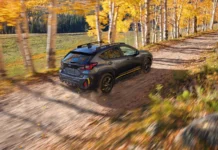
There aren’t many cars left that hand you turbocharged power, all-wheel drive, four real doors, and a six-speed manual for the price of a loaded economy sedan. The Subaru WRX is one of them, which is exactly why clean used examples move fast and why so many enthusiasts make it their first real “fun” car. Even the TFL crew picked one up.
Here’s the thing the for-sale ad never mentions, though. Behind that satisfying short-throw shifter sits a part that can hand you a four-figure repair down the road — and on an all-wheel-drive Subaru, getting to it is half the battle. It’s the dual mass flywheel, and if you’re shopping a used WRX, it belongs on your radar.
Why the WRX Is Such an Easy Used Buy
The pitch sells itself. The current car runs a 2.4-liter turbo boxer making 271 horsepower; the previous generation used a 2.0-liter turbo four. Either way you get Subaru’s symmetrical all-wheel drive and a stick shift that’s genuinely fun to row. Clean three-year-old examples have been trading in the mid-$20,000 range, which is wild value for what you’re getting. Add in a massive aftermarket and you’ve got a car you can daily on Monday and tune all weekend. No wonder they fly off used lots.
The Part Hiding Behind That Slick Six-Speed
A flywheel bolts to the crankshaft and gives the clutch something to grab. A dual mass flywheel splits that single piece into two plates joined by heavy arc springs, so it can soak up the engine’s firing pulses before they reach the transmission. The result is a smoother, quieter driveline — handy on a torquey boxer four that would otherwise pump a lot of vibration into the cabin.
It’s proven technology, not some fragile gimmick. BMW fitted the very first one back in 1985, and the design has been refined across the industry ever since. Subaru’s turbo cars have run one for years.
How a WRX Clutch and Flywheel Wears Out
A dual mass flywheel is a wear item, and the WRX does not lead an easy life. These cars get launched, autocrossed, and tuned well past stock, and every hard clutch dump and power adder shortens the life of the springs and friction surfaces inside. Some earlier cars (the 2015–2016 models in particular) drew complaints about clutch feel and behavior, even bone stock.
The symptoms are usually easy to catch on a test drive. Listen for a rattle at idle that sounds like marbles in a coffee can and falls silent the moment you push the clutch in. Feel for a shudder through the pedals, a clutch that grabs abruptly, or gear rattle that wasn’t there before. None of it fixes itself.

Why the Repair Costs What It Does
This is where the WRX’s party trick works against you. The flywheel lives between the engine and the transaxle, behind the clutch — and because the car is all-wheel drive, tearing everything down to reach it is a real job. Hours of labor go on the clock before a wrench ever touches the part.
Since it’s all out anyway, any sensible shop will replace the clutch at the same time. So when you start pricing the dual mass flywheel replacement cost on a WRX, the figure that makes owners flinch is rarely the flywheel by itself. It’s the labor plus a fresh clutch kit on top, and it lands solidly in four-figure territory.
Single-Mass Swap or Stay Stock?
Plenty of WRX owners hit a fork in the road here. When the factory clutch is toast and they’re chasing more power anyway, a lot of them swap in an aftermarket clutch and a lightweight single-mass flywheel from brands like ACT, Exedy, or Competition Clutch. It holds more torque and shrugs off harder use.
The catch is refinement. Bolt a single-mass flywheel into a daily driver and you’ll live with more gear rattle, more chatter, and a busier cabin at idle. If your WRX mostly commutes, the factory-style setup keeps things civil. If it mostly plays, the single-mass route makes more sense.
Should You Still Buy One?
Absolutely — just buy with your eyes open. Inspect the clutch on any used WRX before money changes hands, listen for that telltale idle rattle, and pad your budget so a future clutch-and-flywheel job doesn’t blindside you. Priced in ahead of time, it’s simply part of running one of the last affordable all-wheel-drive manuals on sale.
For a real-world look at what living with one actually costs, TFL has been logging the bills on its own used WRX — check out the latest ownership update here. It’s the kind of homework that pays for itself.