Cars like the Chrysler Pacifica, built in Canada, may soon be subject to 50% tariffs.
The Trump administration is ramping up efforts to double existing duties on Canadian products — including vehicles, parts and steel — after talks between the two countries on a trade deal collapsed at the end of last week. As a result, prices for certain models of cars, trucks and SUVs built in Canada will likely face significantly higher prices as these newly threatened tariffs take effect on January 1, 2027, if President Trump follows through on this threat.
Since last April, the U.S. has levied 25% duties on cars as well as light- and heavy-duty trucks built north of the border. After the two countries came back together to negotiate terms on a new deal, trade officials ultimately failed to reach an agreement. Trump paused the pending tariff hike earlier last week as the two sides closed in on a deal, only for contentious terms on whether to include heavy-duty trucks in a nominal 15% tariff rate on vehicles from Canada to contribute to those talks falling apart, according to a report from Reuters.
Canadian Prime Minister Mark Carney, among other officials, promised “dollar-for-dollar” retaliatory tariffs against the U.S. In response to the new 50% tariff threat against $20 billion of Canadian products, Carney announced Canada would impose new import duties on some U.S. products starting September 8.
Signaling the deepening divide between the countries on trade policy, Carney said, “You’re at war when you get attacked. We got attacked”. Trump, for his part, said in a social media post, “Canada has been ripping off the United States of America for years…Not sustainable, and NOT ANYMORE!” (emphasis his own).
Automakers are already shifting production plans, even before this latest conflict
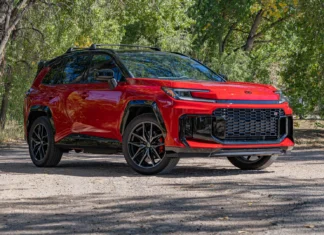
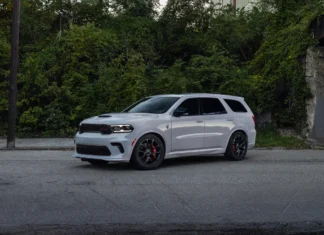
Several popular models like the Honda Civic and CR-V, the Lexus RX and NX, the Chrysler Pacifica and Dodge Charger, and the Chevrolet Silverado are built in Ontario, Canada. In response to tariff uncertainty with Canada and Mexico, for that matter, automakers are already reconsidering production on both sides of the American border. In the short-term, however, higher tariffs could well result in higher prices on those particular vehicles for U.S. consumers, tied into either the final assembly of the cars and trucks themselves, or imports of parts or raw materials used in their construction.
On Monday, shares across all Big Three automakers declined between 1% and 3%. Honda and Toyota saw a similar dip, as ongoing uncertainty could continue to rattle investors over the coming months.