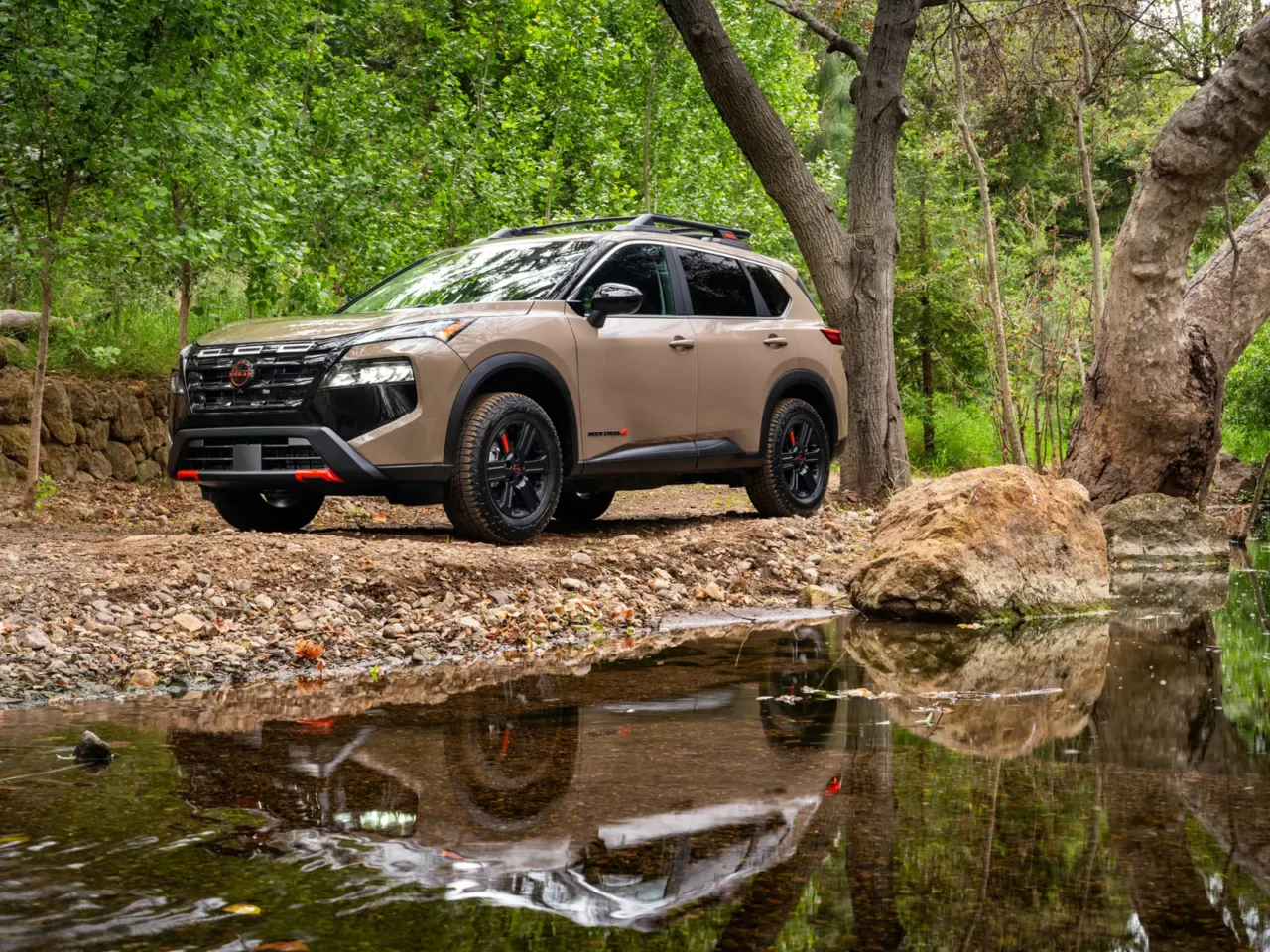
Nissan has two new recalls for the Rogue, both concerning the engine and potentially leading to loss of driving power.
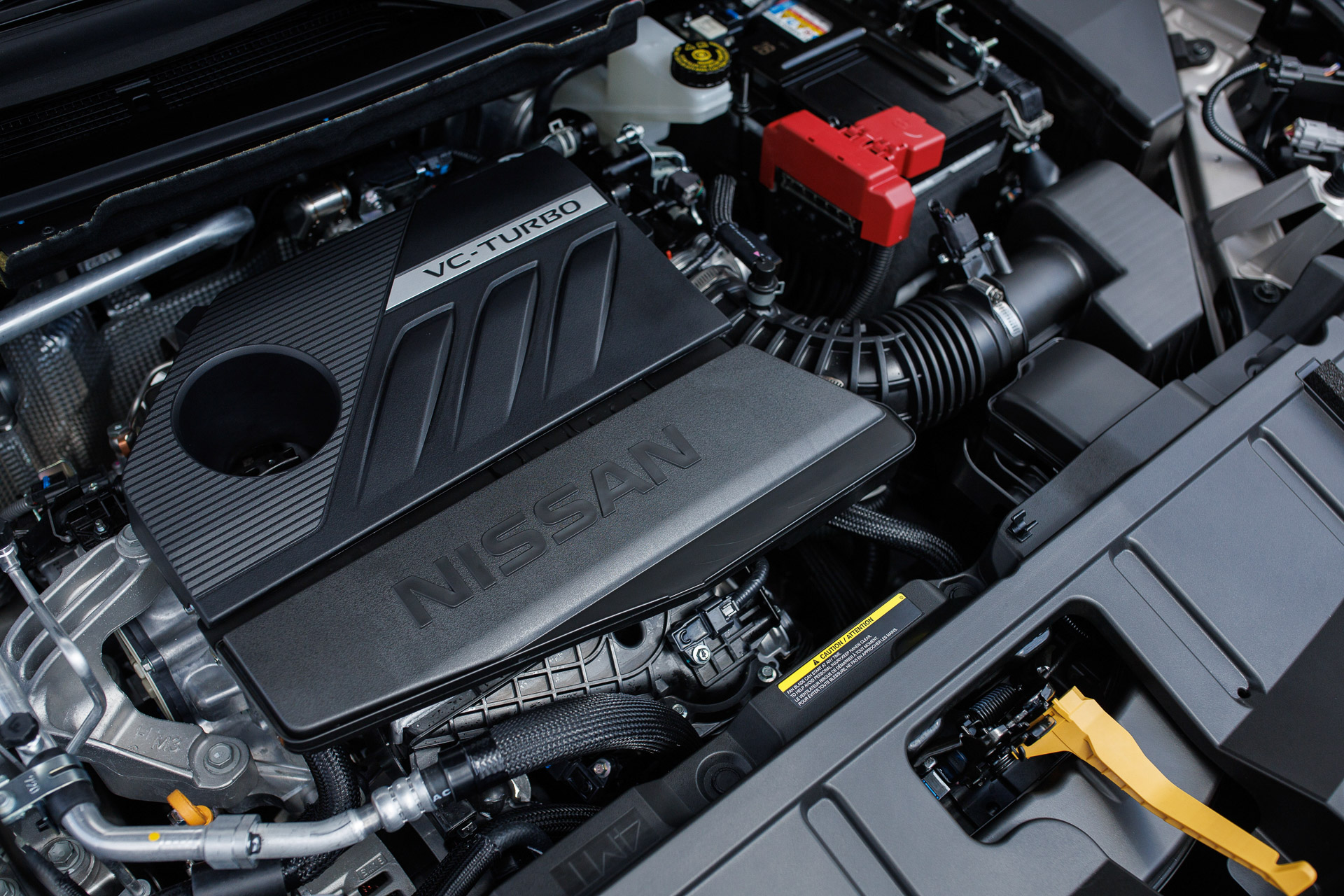
The latest-generation Nissan Rogue has seen some well-documented issues, from shattering rear windows to rearview camera issues. Now, though, there are two new recalls impacting Nissan’s best-selling SUV. Both recalls focus on the 1.5-liter turbocharged three-cylinder engine (the KR15DDT) for either a throttle body defect, an engine bearing failure, or since there may be some overlap between the new recalls, potentially both.
The first issue: bearing seizure and possible engine failure
According to what Nissan told the National Highway Traffic Safety Administration (NHTSA), the first of the two latest campaigns concerns engine damage and failure. Specifically, the campaign (NHTSA recall number 26V-080) impacts 323,917 Rogues in the United States, built between October 4, 2022 and November 18, 2024.
According to Nissan, higher engine oil temperatures could cause bearing seizure, as the hotter and thinner oil may not be able to effectively keep them lubricated. If the bearings do seize, the engine can fail, resulting in a loss of drive power and increasing the risk of a crash. In some cases, the automaker even warns the failure could breach the engine block itself, discharging hot oil and potentially triggering a fire.
This recall essentially expands an earlier campaign (NHTSA recall 25V-437), in which 443,899 Nissan Rogues between MY 2021-2024 and 2019-2022 Infiniti QX50s were also recalled for potential bearing failures. That earlier recall includes the 1.5-liter three-cylinder and 2.0-liter (in the Infiniti’s case) VC-Turbo engines, so earlier year owners aren’t necessarily safe from this condition, either.
To-date, Nissan says it received three Product Information Requests (PIRs) from the NHTSA about bearing seizures, abnormal engine noise, rough or difficult engine starts or stalling conditions on 2023 and 2024 Rogue SUVs. Through an investigation between August 2025 and February 4, 2026, Nissan identified high oil temperatures under certain operating conditions as the culprit. It also has confirmed a total of 690 warranty claims for engine failures related to the recall, but said it isn’t aware of any accidents or injuries directly related to the bearing seizures.
What’s the fix?
Leading up to the engine bearings actually seizing, the automaker says owners should have “visible and audible advance warnings”, including strange engine noises, rough running, or malfunction lights in the dashboard. If you own a Rogue and do encounter those symptoms, it’s likely a good idea to avoid driving the car if you can and get in touch with your dealership’s service department.
Nissan says it plans to notify owners by mail about this recall (Nissan has two numbers for the bearing seizure issue: R25E2 and R25E3) on March 27, 2026. Dealers are already aware of this latest campaign, as of February 19.
The automaker’s remedy is two-fold. For all nearly 324,000 owners in this recall population, dealer technicians will reprogram the engine control module (ECM), scan the car for diagnostic codes, and take cars for a test drive. They should also inspect the engine oil pan for “specific” metal debris (the report does use the word specific rather than any metal debris, for some reason), and determine whether an engine replacement if necessary. If so, they will replace the engine, free of charge.
According to the NHTSA report, just 0.6% of Nissan Rogues included in the recall actually have a potential for bearing failure. Even so, given the scale of the campaign, that still amounts to around 2,000 vehicles. If some or all of these vehicles do indeed need an engine replacement, owners could be stuck in a queue for that to happen for some time (as we’ve seen with Toyota and GM engine recalls of the not-too-distant past).
The second recall: Potential throttle body defect
While the first recall is a bit, well, dramatic as far as how it manifests, Nissan’s second Rogue-related recall of the day is a bit more subtle. This one includes 318,781 vehicles built between November 13, 2023 and April 28, 2025. All affected vehicles have the 1.5-liter three-cylinder VC-Turbo engine.
According to the automaker: “During the ignition start-up process, the Electronic Throttle Chamber (ETC) assembly performs a routine diagnostic test in which the internal gears rotate to the fully closed position, contacting a fixed stopper. In vehicles equipped with affected Engine Control Module (ECM) software, this diagnostic routine may cause the internal gear within the ETC assembly to weaken and fracture.”
If the internal gear rotating the plate within the throttle body does fail, the throttle plate can get stuck in a closed position. That’s what a dealer technician noticed on a 2024 Nissan Rogue last February, according to the recall chronology attached to the main report. That fractured throttle chamber gear can interfere with other internal gears responsible for moving the throttle body valve, potentially causing the engine to stall and fail to restart.
Nissan classifies the condition as a “loss of motive power” (i.e. the engine will stall out, can’t restart and you won’t be able to drive backward or forward). The automaker does note the plastic gear can only become fractured and interfere with the rest of the throttle body’s operation when the vehicle is stationary, since that’s the only time the ECM triggers a the diagnostic self-test. That said, the condition can also prevent the engagement of forward or reverse gear upon restart (or attempt to restart, at least), which can increase the risk of a rollaway crash.
Through February 4, 2026, Nissan says it is aware of 3,111 warranty claims related to the problem, but no accidents or injuries. It’s unclear exactly how many (if any) of these vehicles are also impacted under the other engine recall, but there is about a year’s overlap between the two, so some owners may have to address both issues with their Rogue.
How is Nissan fixing this one?
Nissan is telling its dealers to reprogram the ECM after investigating this problem, which technicians will do for owners free of charge. They will also inspect the ETC (throttle body) assembly, and if they determine it needs to be replaced, will also complete that repair for free. All the affected vehicles should still be under warranty, so Nissan did not include the typical reimbursement statement for owners, since they haven’t had to pay for this remedy out-of-pocket.
Like with the other recall, Nissan notified dealers of the issue on February 19. Owners should get a notice in the mail on or around March 27, at which point they can take their vehicles into the dealer for inspection and repairs.