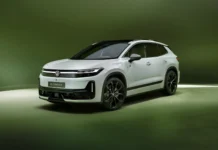
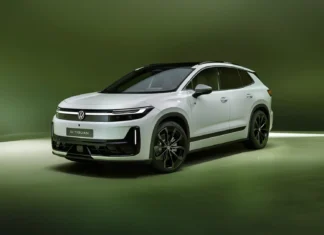
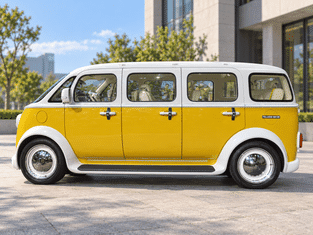
Chinese automaker Geely will kick off car sales in Canada next year.
While Americans aren’t likely to see Chinese cars for sale in their town anytime soon, it’s a different story north of the border. On Friday, Geely Auto Group — one of the country’s largest automotive firms — announced it would officially begin Canadian sales in calendar year 2027.
“Geely enters Canada backed by global capabilities in vehicle engineering, safety, electrification, intelligent technology and advanced manufacturing,” the company says in its statement. Last year, Geely sold more than 3 million vehicles worldwide. The list of brands under the auto giant’s umbrella include the Geely brand itself, as well as Zeekr, Lynk & Co., Volvo Cars, Polestar, Proton and Lotus. It also holds a 50% stake in Smart with Mercedes-Benz, as well as a minority stake in Aston Martin.
Earlier this year, the Canadian government removed a 100% tariff that effectively served as a barrier to these cars selling in the country. Moving forward, there will be a quota system that allows up to 49,000 vehicles in the first year. Beyond that, the quota will rise by 6.5% annually.
While there is a relatively narrow window to sell Chinese cars in Canada right now, that widening gap will allow Geely as well as competitors at BYD, Chery and Dongfeng more latitude to reach buyers in the coming years. Technically, Geely already has some presence in Canada thanks to its ownership of Volvo and Polestar, but this move will open up the field for Geely to compete against its Chinese rivals as well as Tesla and other legacy automakers, especially in the EV market.
Geely Auto Canada, as a subsidiary of the larger Chinese corporation, will share more details on what cars it plans to sell with its commercial launch next year. Retail and service locations as well as general availability and pricing are still a question mark, but today marks an important milestone for the brand: Geely vehicles are coming to Canadian streets soon.
What impact that will have on the US, which maintains a 100% baseline tariff against Chinese EVs, remains unclear. Odds are the existing levies will remain in place, at least for the foreseeable future.