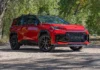
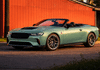
Toyota’s latest entry-level electric SUV has a recall affecting approximately 10,000 vehicles.
Earlier this month, Toyota issued a voluntary safety recall for some 2026 C-HR SUVs in North America. According to the automaker, there is a software issue that could, under some circumstances, cause the battery to become overcharged, causing a loss of power. If that happens at higher speeds, that naturally increases the risk of an accident, presenting a serious safety problem.
In its announcement, Toyota said the regenerative braking system’s software has an “issue” that could cause it to overcharge the battery. Under normal circumstances, the system would become noticeably weaker or shut off, forcing the driver to use the car’s normal service brakes instead, since it can’t (or at least shouldn’t) try to route energy into an already full battery pack. For these C-HRs, the software just shuts the whole electric drive system down, resulting in that loss of drive power.


The automaker will notify owners to the issue by early November. From that point, C-HR drivers can take their cars into their local dealer, where technicians will update the Battery Electric Vehicle Electronic Control Unit with new software.
Again, this recall affects vehicles throughout all of North America. For the U.S. specifically, Toyota dealers sold 6,321 C-HRs through the end of August. Official numbers aren’t available through the company’s statement, but the other 3,700 or so vehicles should be in Canada (since Toyota does not currently sell the C-HR in Mexico).