SPONSORED CONTENT

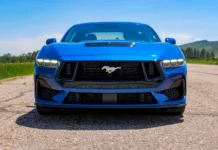
Alright, so you’re looking to grab a pre-owned Ford? Smart move, seriously. You get that Ford toughness and performance without shelling out new-car cash. Whether you’re all about a beast of a truck like the Ford F-150, a small commuter like the Ford Focus, or something smooth and sexy like the Ford Mustang, there’s a Ford with your name on it. But hey, buying used can be kinda sketchy. To dodge that buyer’s remorse, you just gotta know the score.
Wanna find a sweet ride you’ll be stoked about? Just roll with these easy steps!
1. Lock Down Your Cash—No Going Over
We start with the most important thing: your budget. Figure out your absolute top dollar and stick to it, no matter what. Knowing your number keeps you from getting sucked into a gorgeous car that’s totally out of your league.
Used Ford prices are all over the place. A Ford Mustang might cost a pretty penny, but models like the Ford Fusion or Ford Escape are way more wallet-friendly. Get your budget straight from the jump, and you won’t have to stress about money later.
2. Research the Heck Out of Your Dream Ford
Ford makes a huge variety of cars, and they all have their own quirks. Need a family ride? A work truck? A speedy weekend cruiser? You gotta do your homework.
Check it out:
- The Ford Focus is awesome if you need something tiny and great on gas.
- The Ford Escape is bigger and more flexible—perfect for the family or if you haul a lot of gear.
- The Ford F-150 is the king if you want a truck that’s comfy but still packs a punch.
Look up the pros, the cons, what other owners are saying, and the typical problems. That way, you’ll know exactly what you’re signing up for.
3. Give It a Seriously Good Once-Over
Found a used Ford that catches your eye? Time to be a detective. Walk around it slowly and look for rust, dings, or signs of a bad paint job. Are the tires and brakes looking good or are they toast?
Hop inside. How are the seats, the dash, and all the electrics? Is the AC blowing ice cold? Are the lights and stereo working right? A clean interior is nice, but what’s under the hood is what really counts.
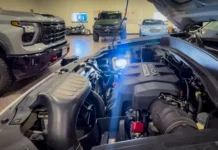
Lift the hood and look for any weird drips or super-worn parts. A quick look can tell you if the car was babied or thrashed.
4. Don’t Skip the Test Drive
You hear me? Never buy a car without taking it for a spin. This is how you feel out the performance, the ride comfort, and how it handles. As you drive, check how it speeds up, how the brakes feel, and how it turns. Listen for any suspicious noises—like grinding or squeaks—and make sure the steering wheel doesn’t feel loose.
Take it everywhere—the highway, regular streets, even a bumpy road—to see what the car is truly capable of.
5. Get the Full Scoop on Its Past
Before you commit, finding out the car’s history is everything. A detailed history report will tell you if it’s been in a wreck, had major fixes, or if it has any open recalls. Before making your final decision, it’s a good idea to check the vehicle’s recall history using the Ford recall lookup tool. This will help you ensure that there are no unresolved safety concerns with the vehicle.
A squeaky-clean report means less to worry about. A report full of red flags? Time to move on, dude.
6. Have Your Mechanic Check It Out
Even if you’re sure everything is fine, it’s just smart to have a mechanic you trust give it a professional inspection. They can catch hidden damage or future breakdowns that your untrained eyes would miss.
If they find problems, that’s your ammunition to haggle for a lower price or just ditch the deal entirely. Paying a little for a check-up now saves you from massive repair bills later.
7. It’s Time to Haggle
Car’s good to go? Sweet. Now you talk about price. A lot of used car sellers, especially private ones, expect you to negotiate. Be ready to go back and forth and use any issues from the inspection to get a price that’s fair.
Check what similar Fords are selling nearby so you know the going rate. Knowing the market value is a massive advantage when you’re talking money.
8. Seal the Deal and File the Paperwork
Price agreed upon? Awesome. Just make sure all the documents are correct. Check the title to ensure there are no confusing ownership claims. Double-check that the VIN on the car and the documents match up perfectly.
Find out if there are any warranties left or if you can get an extended one. Finish up the sale agreement and keep a copy for yourself. It’s just smart protection.
The Lowdown
Buying a used Ford doesn’t have to be a headache. If you set your budget, check the car out completely, learn its history, and get a mechanic’s thumbs-up, you’ll steer clear of most pitfalls and feel totally confident in your purchase.
Follow these tips, and you’ll score a reliable used Ford that fits your life without any buyer’s regret. Happy car hunting, and good luck!