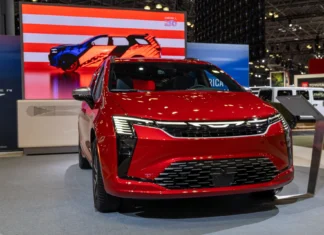
The first-quarter sales numbers are in, and there are some interesting winners.
Well, it’s been a crazy past few months, hasn’t it? That’s putting it mildly, but even with the craziness throughout the past year (or the past few years, let’s be real), folks continue to buy new cars and trucks, while automakers aim to woo as many of those buyers as possible. And as is the case when we look at the car sales results every quarter, you all gravitated toward certain models, as well as certain kinds of cars, and took a hard pass on others.
There’s a ton of data to mull over, and while my favorite is the zombie cars that just won’t die (some of you are still out there buying Jeep Renegades, for example), let’s take a more impactful look at some of the biggest winners of the first quarter of 2026, by percentage increase from the first three months of last year.
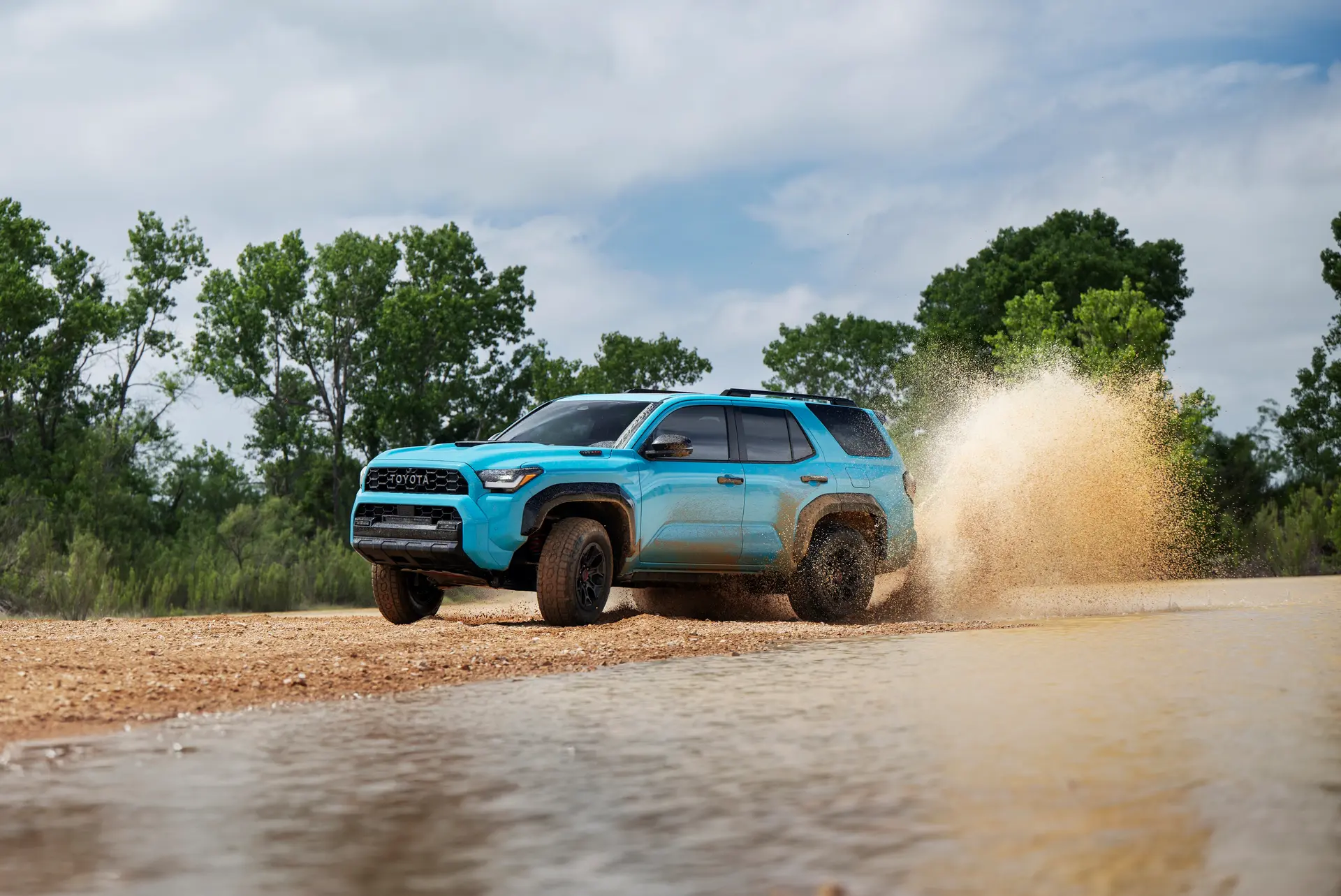
Toyota 4Runner (up 294%)
Okay, there’s a pretty straightforward explanation for this one. By the numbers, Toyota’s sixth-generation 4Runner is really starting to get into its stride. Last year, the automaker sold just 8,435 examples in the first quarter of 2025. Why? Toyota was in the middle of ramping up production, and while gas-only 4Runners (think lower-end SR5s, TRD Off-Roads, etc.) were starting to hit dealers, the company just started kicking out its flagship Trailhunters, TRD Pros and other hybrid models.
Fast forward a year, and Toyota dealers shifted 33,244 4Runners, or a 294.1% volume increase. Now, in the previous generation, we settled into a pattern of about 10,000 4Runners finding new buyers each month. You could argue this is just a return to status quo, but there was quite a bit of uncertainty early on in this generation. That’s understandable, as we’re talking about the first new 4Runner in 15 years. It had a new body, new powertrain, updated technology…and the road hasn’t been a smooth one for a company whose reputation hinges on rock-solid reliability. Nevertheless, folks are still buying into the new 4Runner, so we’ll have to see if that momentum holds throughout this year and beyond.
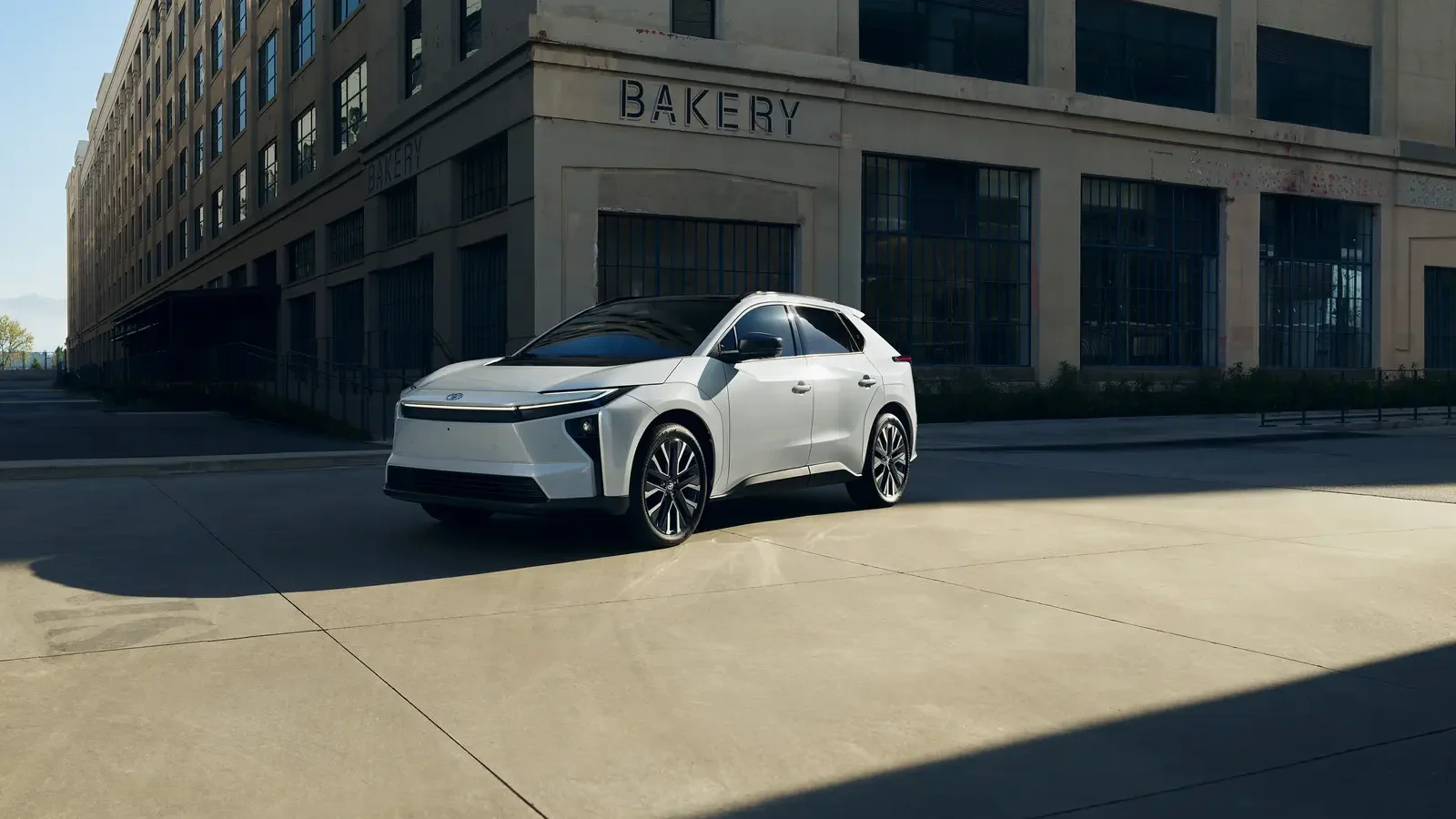
Toyota bZ (up 78%)
The general consensus over the past six months has been that EVs are in major trouble, but try telling that to Toyota. The bZ hasn’t exactly had a stellar sales run, with the company stelling 15,069 throughout all of 2025. In just the first three months of 2026, however, Toyota dealers sold 10,029 electric bZ SUVs.
Apart from selling about two-thirds as many bZs in the first quarter as they did all last year, Toyota’s mainstream EV is on track to be the second most popular electric car after Tesla so far in 2026. That also goes to show how hard the rest of the segment was hit including the Ford Mustang Mach-E (down 60.4%) and the now-defunct Nissan Ariya (down 98.6%). The Chevy Equinox EV also slowed down by 7%, while the Blazer EV fell off a cliff (down 82.6%).
It’s not just Toyota’s version, either. The Lexus RZ also picked up by a whopping 206.5%, showing some efficacy in marketing its BEV over the past several months. I don’t know about you, but I’ve seen an ad for the RZ pretty much everywhere I watch TV or stream, so that seems to have paid off to some extent. The Subaru Solterra, another bZ derivative, did also pick up pretty significantly in the month of March (50.4%). Its sales for the whole quarter were down by about 3%, but that is actually a pretty solid result against some of the brand’s other models.
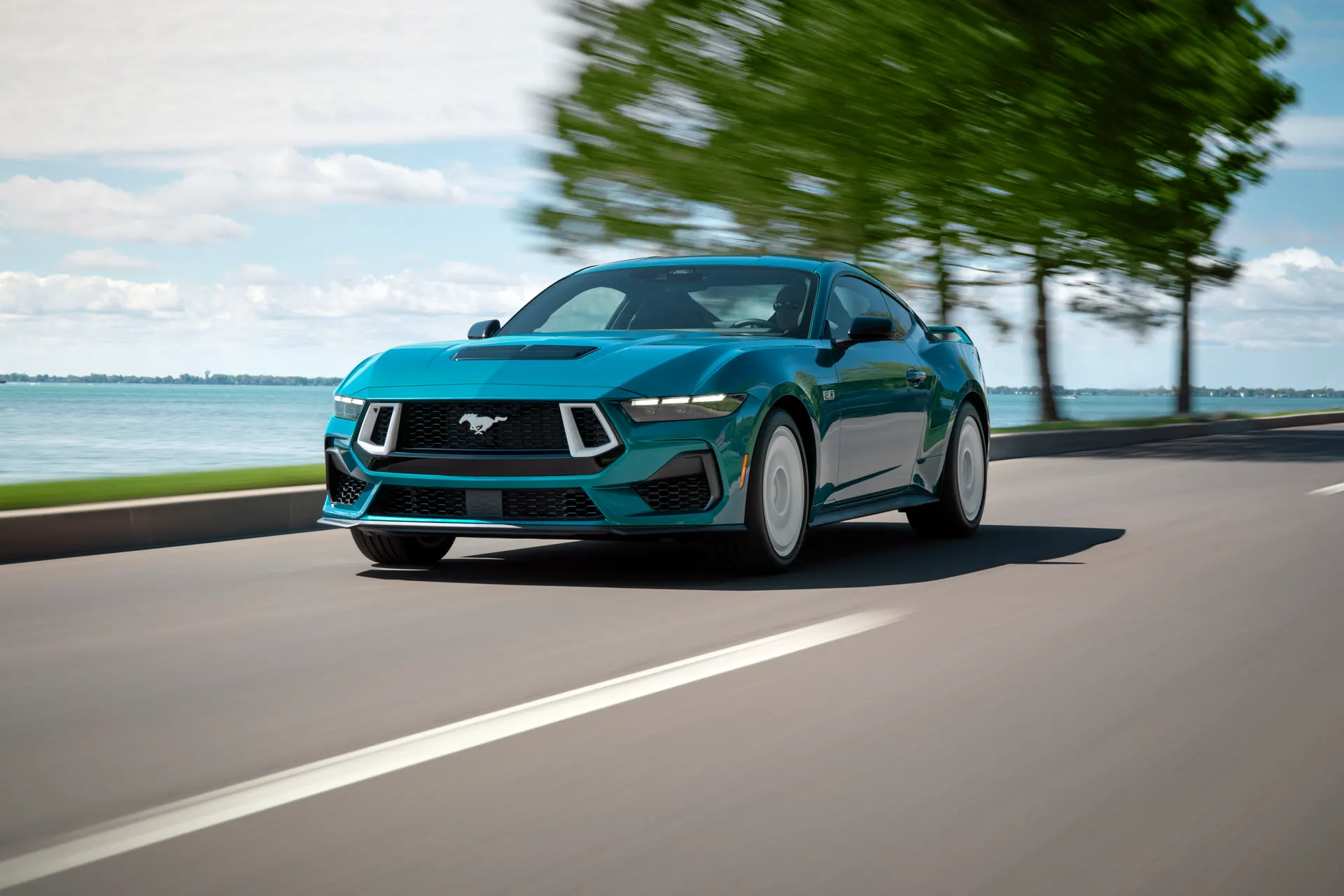
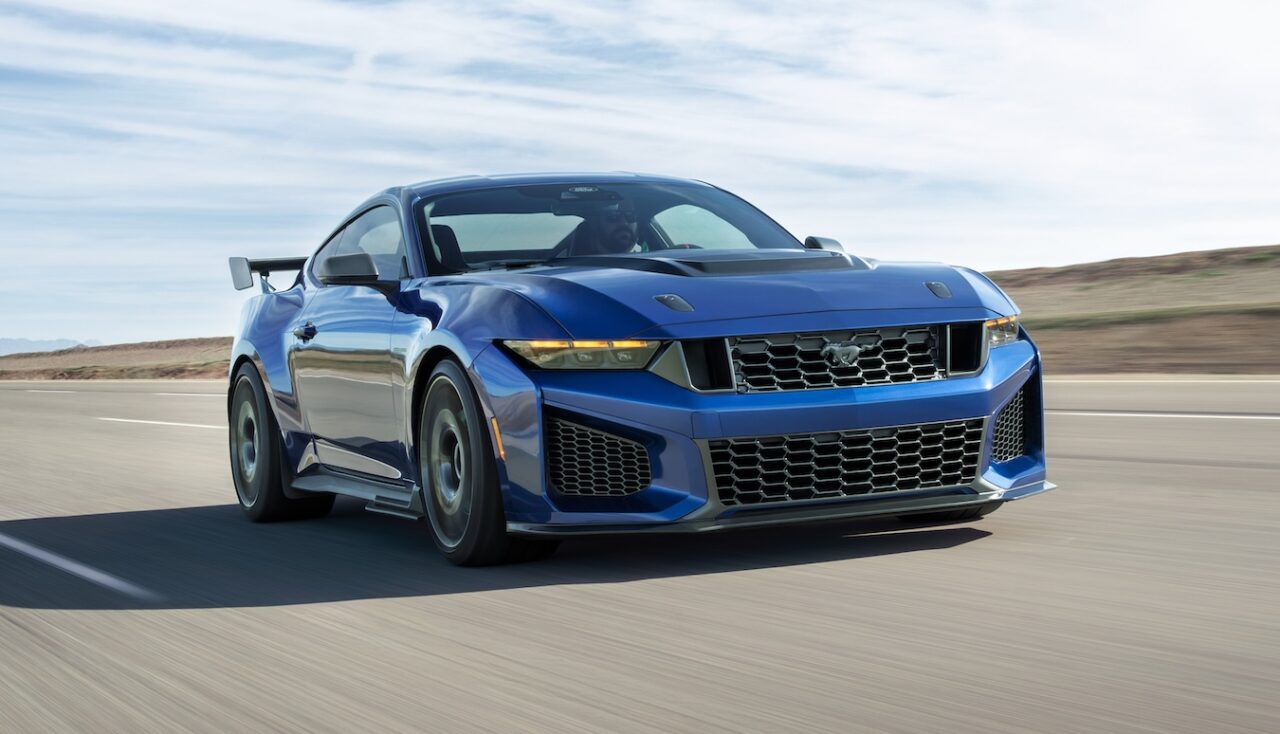
Dodge Charger (up 59%), Ford Mustang (up 50%) and Toyota Supra (up 118%)
Over on the truck side of Ford’s business, first-quarter sales were…well, let’s say a mixed bag. The F-150 didn’t do so hot, nor did the Maverick. Things look a little different for its SUVs, where the Explorer and the large, body-on-frame Expedition both picked up about 30%. One real winner for the Blue Oval over these past three months, however, has been its sole remaining car: the Mustang.
Sports cars aren’t exactly having a great time right now, but more folks took to the latest S650 Mustang in droves. Sales improved 50.1% to 14,074 units, and that’s way ahead of any of its rivals.
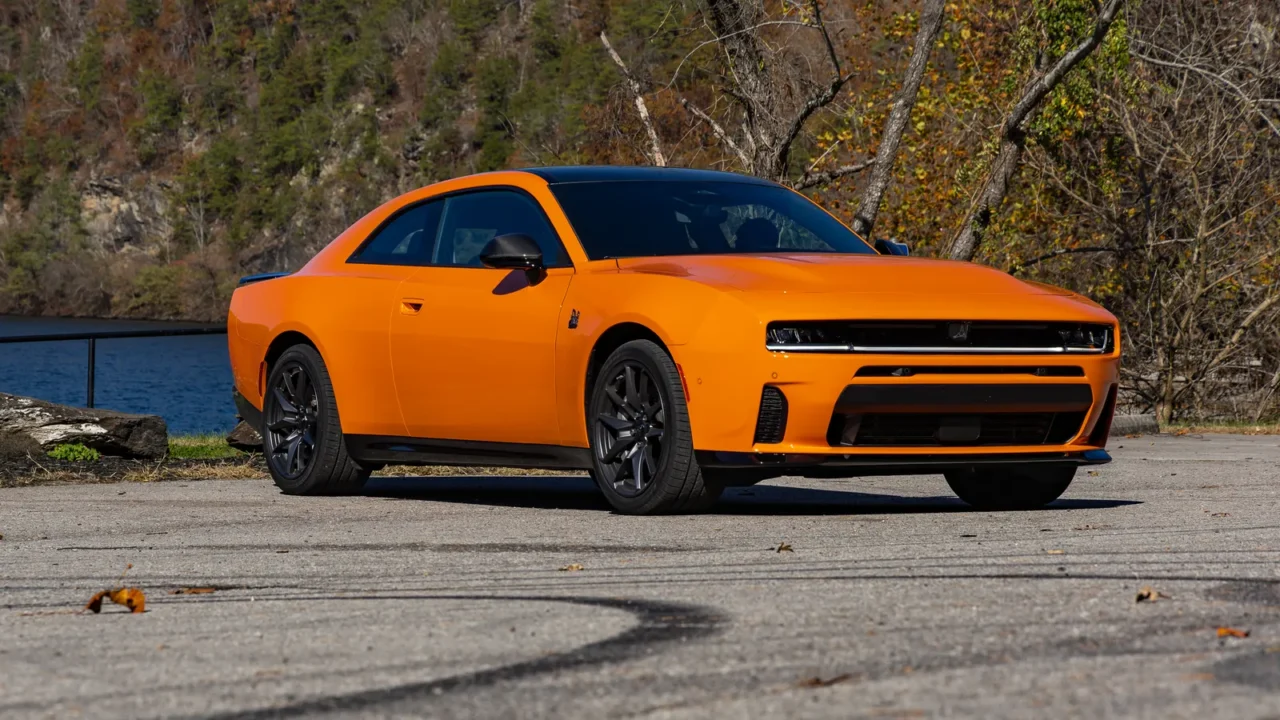
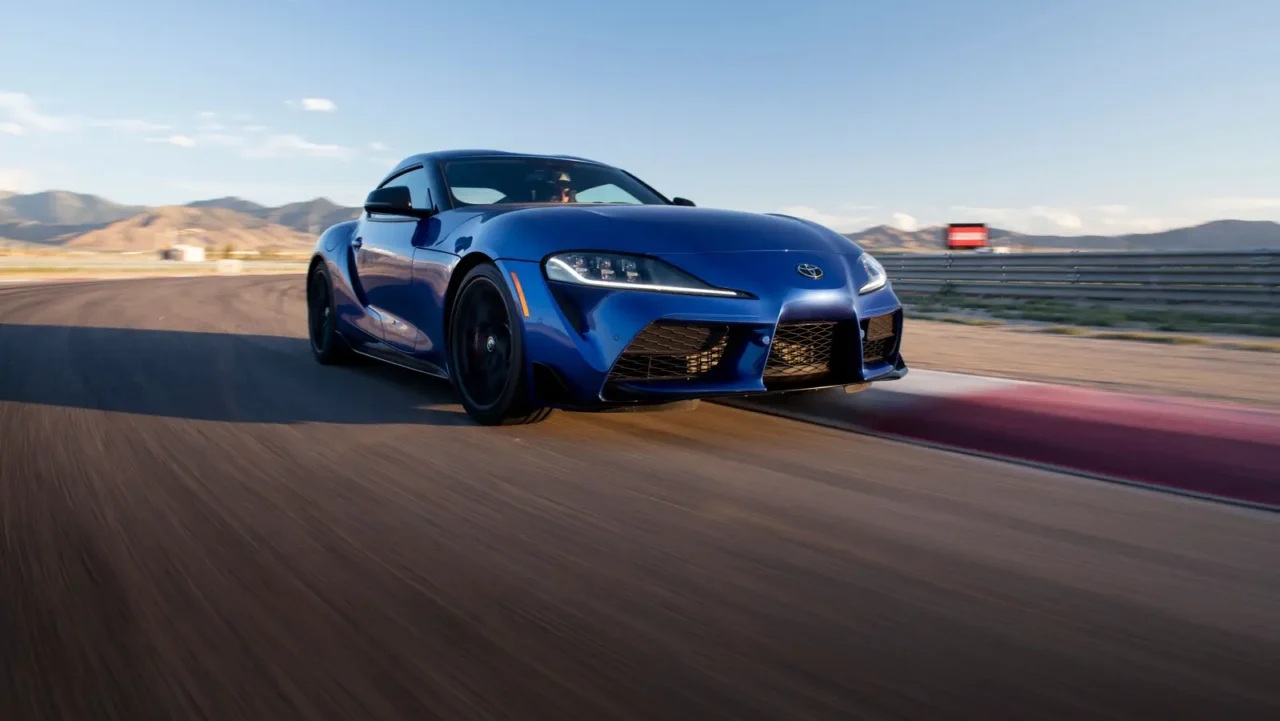
Speaking of its rivals, I also want to acknowledge two sports cars that fared particularly well: the Dodge Charger and the Toyota Supra. Now, you’d sort of expect the Supra to pick up, as we are in the final year for the Mk5 before Toyota puts its iconic sports coupe to bed once again. Enthusiasts are helping the numbers, as sales in the first three months of 2026 more than doubled from Q1 2025, up to 919 units (a 118.3% increase).
Then there’s the Dodge Charger…a classic yin-and-yang story, as it turns out. While the electric Charger Daytona is languishing (down 88% in Q1 2026, selling just 240 units), the Sixpack is picking up some steam. This quarter, gas-powered Charger sales were up 59% to 1,672 units. The Mustang still outsold the Charger about 10-to-1, but that gap may narrow as Stellantis pivots more aggressively into its ICE portfolio. Let’s put it this way: If Dodge didn’t have a gas Charger right now, it’d be in some serious trouble.
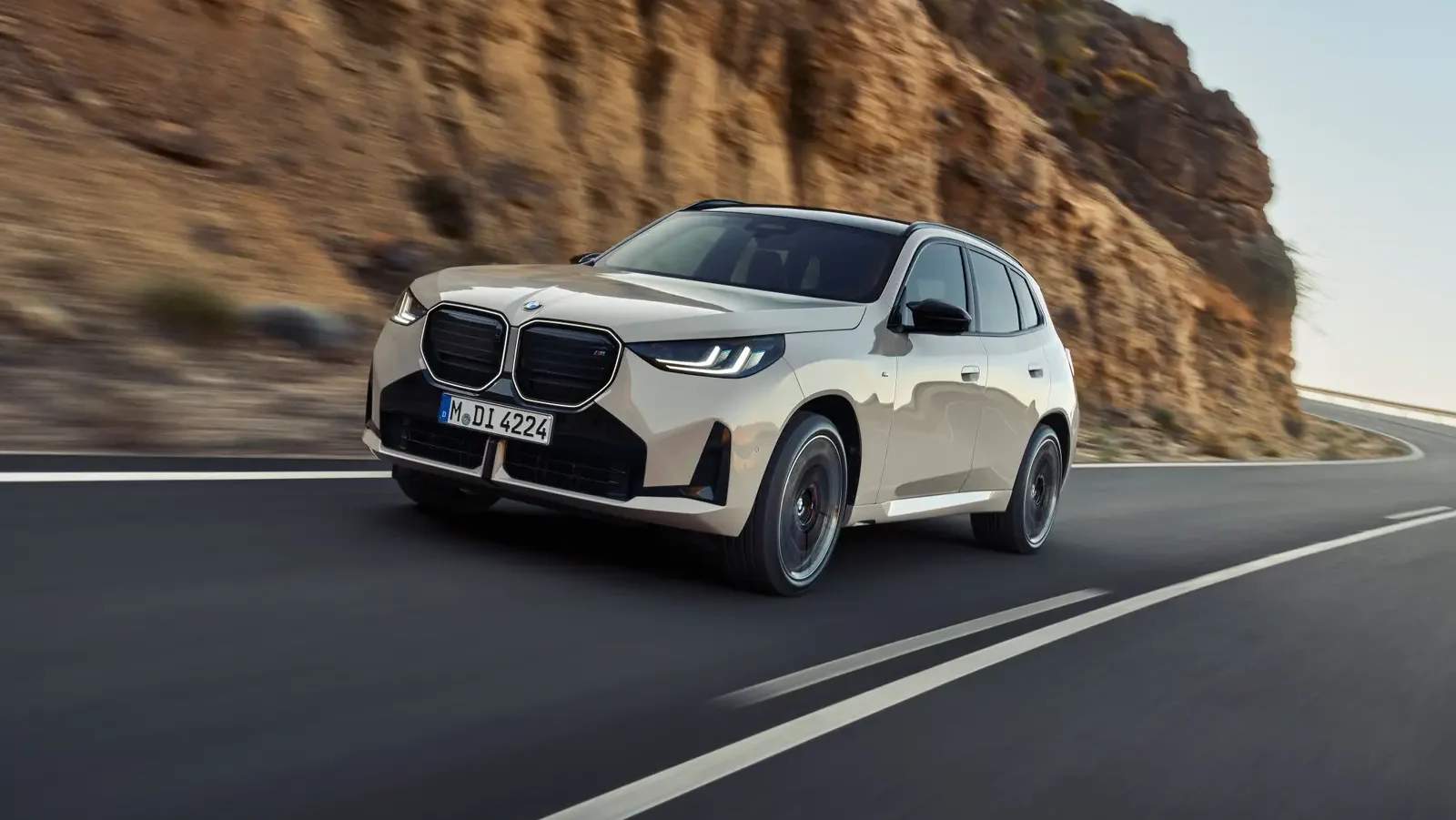
BMW X3 (up 58%)
Like virtually every other automaker, BMW’s bread and butter these days lies with SUVs. Particularly, the bulk of its sales comes from the X3 and the X5. Last year, the X3 saw its first complete overhaul in six years, bringing us the current fourth-generation model. Sales dropped off while BMW ramped up this new model, but the first quarter of 2026 brought in quite a few more buyers.
In the first three months of the year, BMW dealers moved 17,767 units, resulting in a 58.1% increase over this time in 2025. While the X5 is still technically on top (it also picked up by 7.1% to 18,680 sales), the two siblings are neck-and-neck as we make our way through the year.
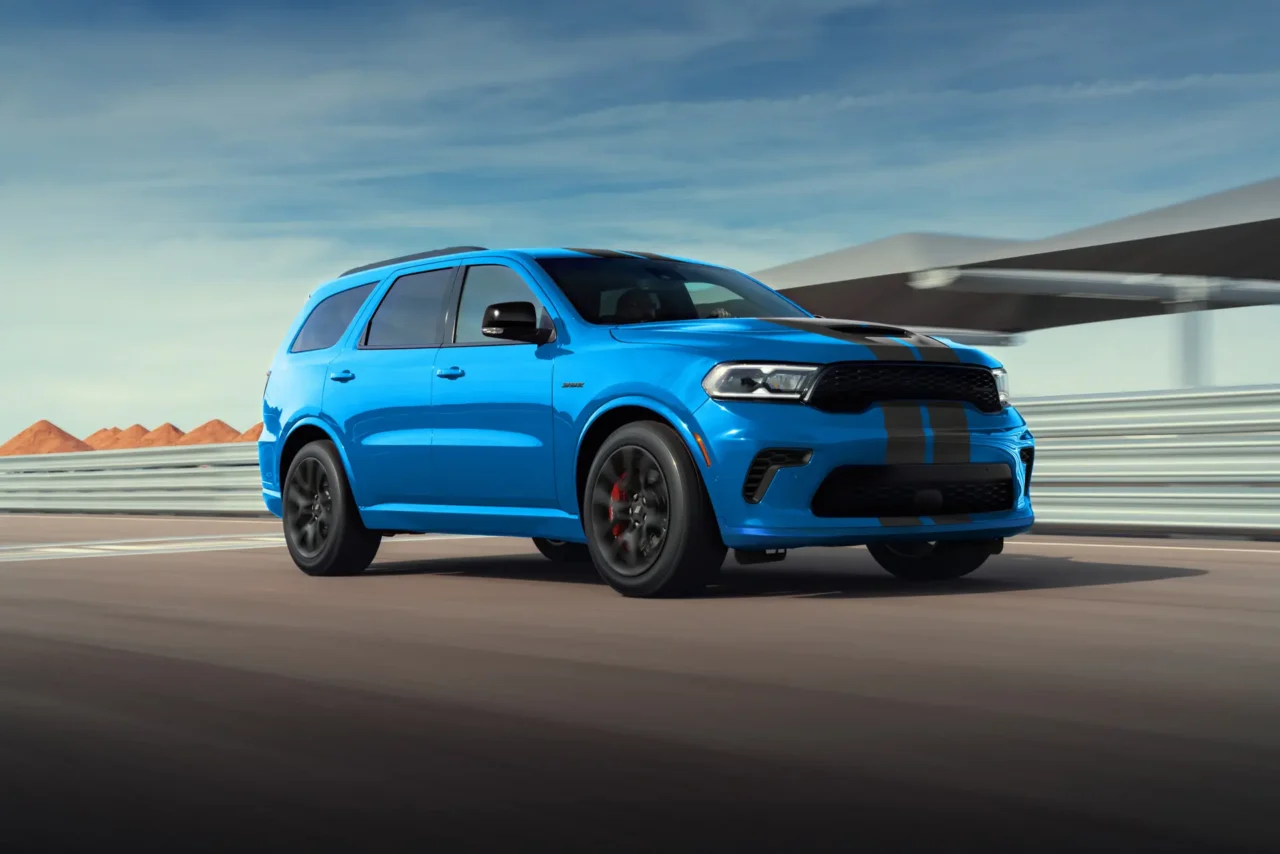
Dodge Durango (up 48%)
Sure, the Charger Sixpack is helping Dodge’s fortunes as the Daytona stalls out. If there’s a single model that’s really saving the brand’s bacon right now, though, it’s the 16-year-old Durango. The third-generation WD model is effectively old enough to qualify for its own driver’s license, and yet it still managed to pick up 48% in the first quarter of 2026, selling 20,300 units.
There are a couple good reasons for that. Sure, the Durango is popular rental option, but the lineup is also available with a Hemi V8 across the board. Not only that, but it’s still a fairly practical, three-row family hauler that packs a serious value proposition, especially for the power you get. Even the base GT with a Hemi V8 packs all-wheel drive and 360 horsepower for $46,365. If you really want to go nuts, you can get the $82,585 Durango SRT Hellcat
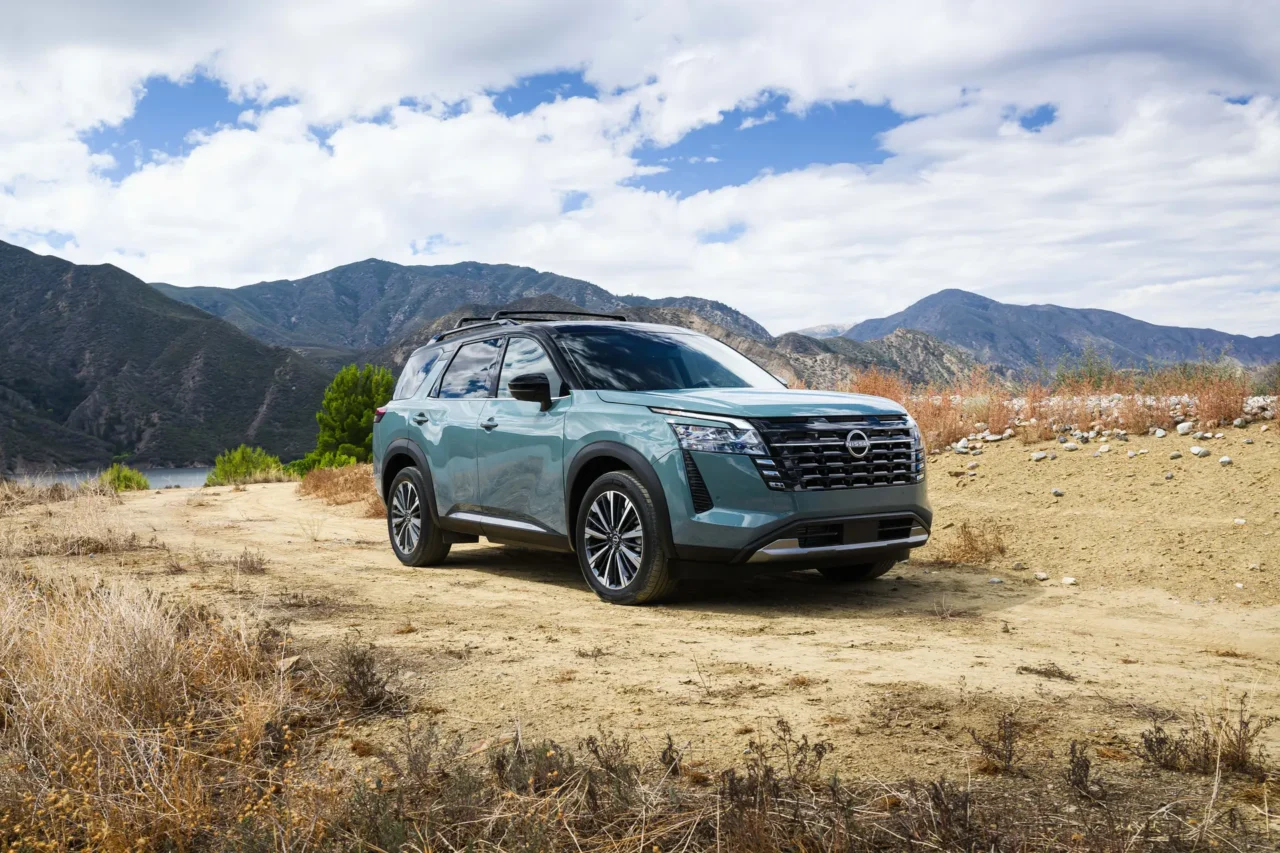
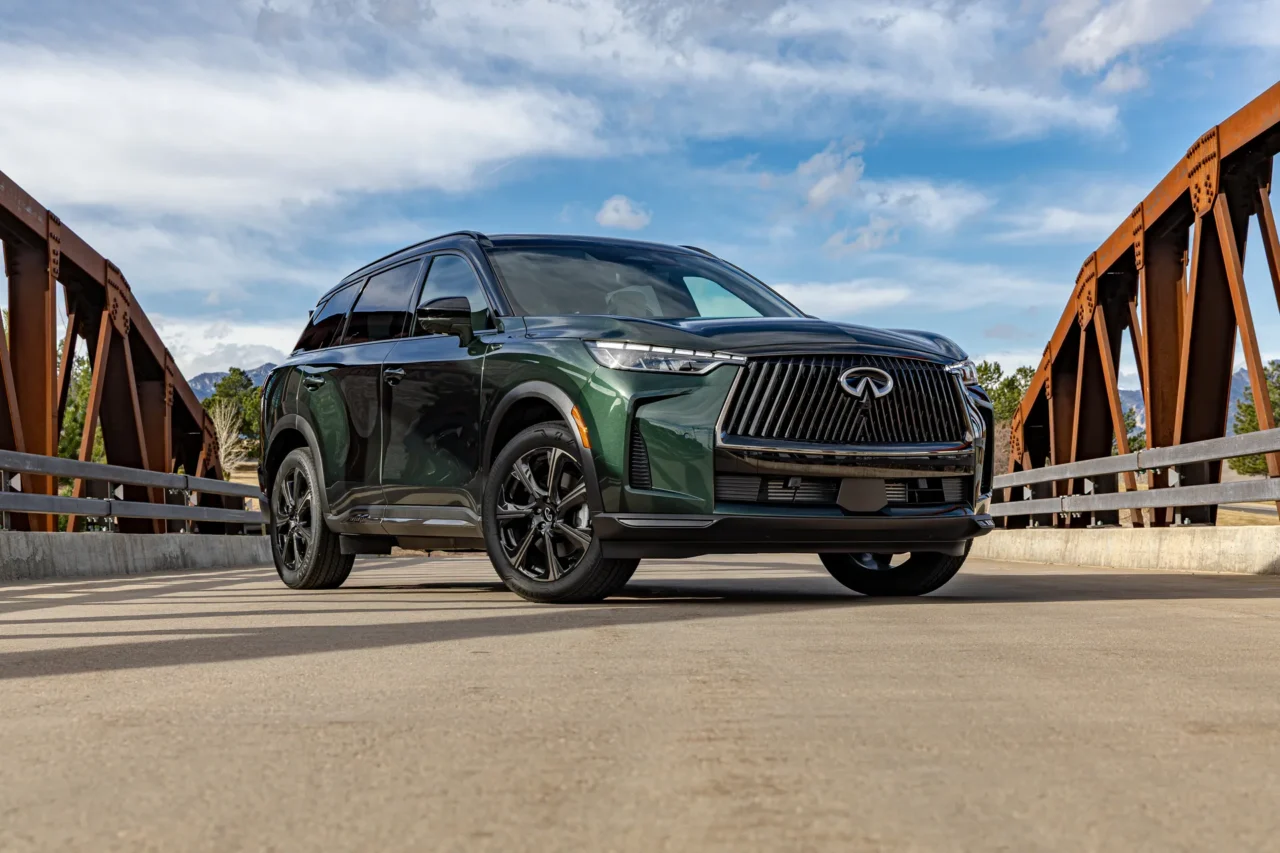
Nissan Pathfinder (up 45%) and Infiniti QX60 (up 64%)
Nissan is in trouble. You’ve seen media outlets make that point for months and months and months, and some of the evidence to that effect emerges in its sales data. The automaker is currently bleeding sales across its shrinking sedan segment with the Altima and Versa gone and the new Sentra at least temporarily dropping off (tariffs may also spell trouble for the Mexico-built car moving forward). It’s also dropping off in the EV space, with the now-defunct Ariya nearly dropping off the sales chart altogether (down 98.6%) and the new Leaf struggling to pick up ground (down 71.2%).
The picture doesn’t look as dire for the brand’s SUVs, though, so there is a silver lining in the story. The new Kicks (up 16.4%), Rogue (up 13%) and Murano (up 9.4%) are all gaining ground, but the real headliner is the Pathfinder. Sales of Nissan’s three-row family crossover are up 45.2% to 28,554 in Q1 2026. It’s not just the Pathfinder, either, as the QX60 is also boosting Infiniti’s fortunes. The luxury analog to the Pathfinder picked up by a remarkable 64% in the first three months of the year, and is actually the only Infiniti model to gain ground. The larger QX80 dropped off by 29% (while the Nissan Armada actually increased by 17.5%), and that’s significant as it’s the only other current model Infiniti has, until the QX65 hits the scene in the coming months.
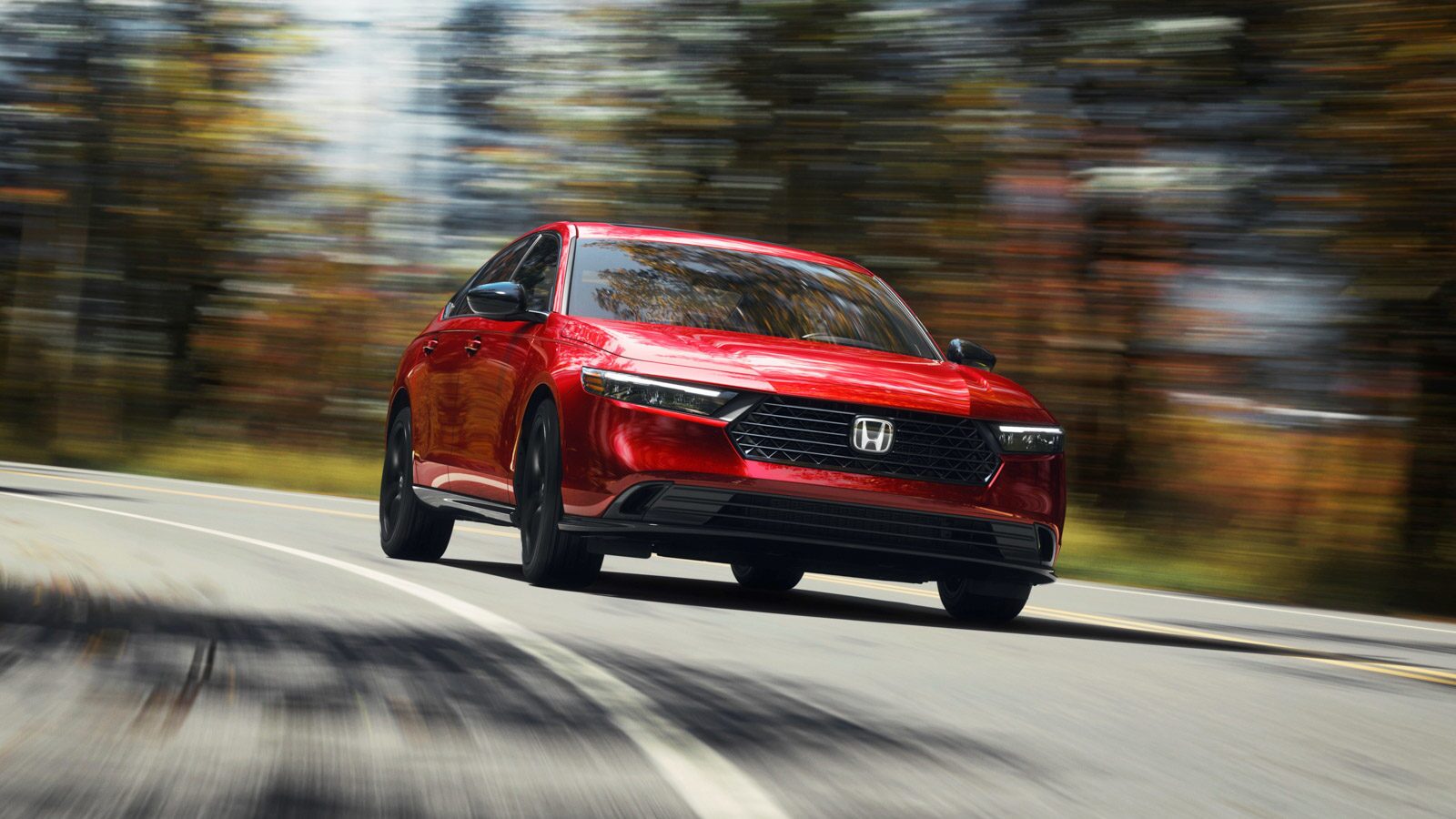
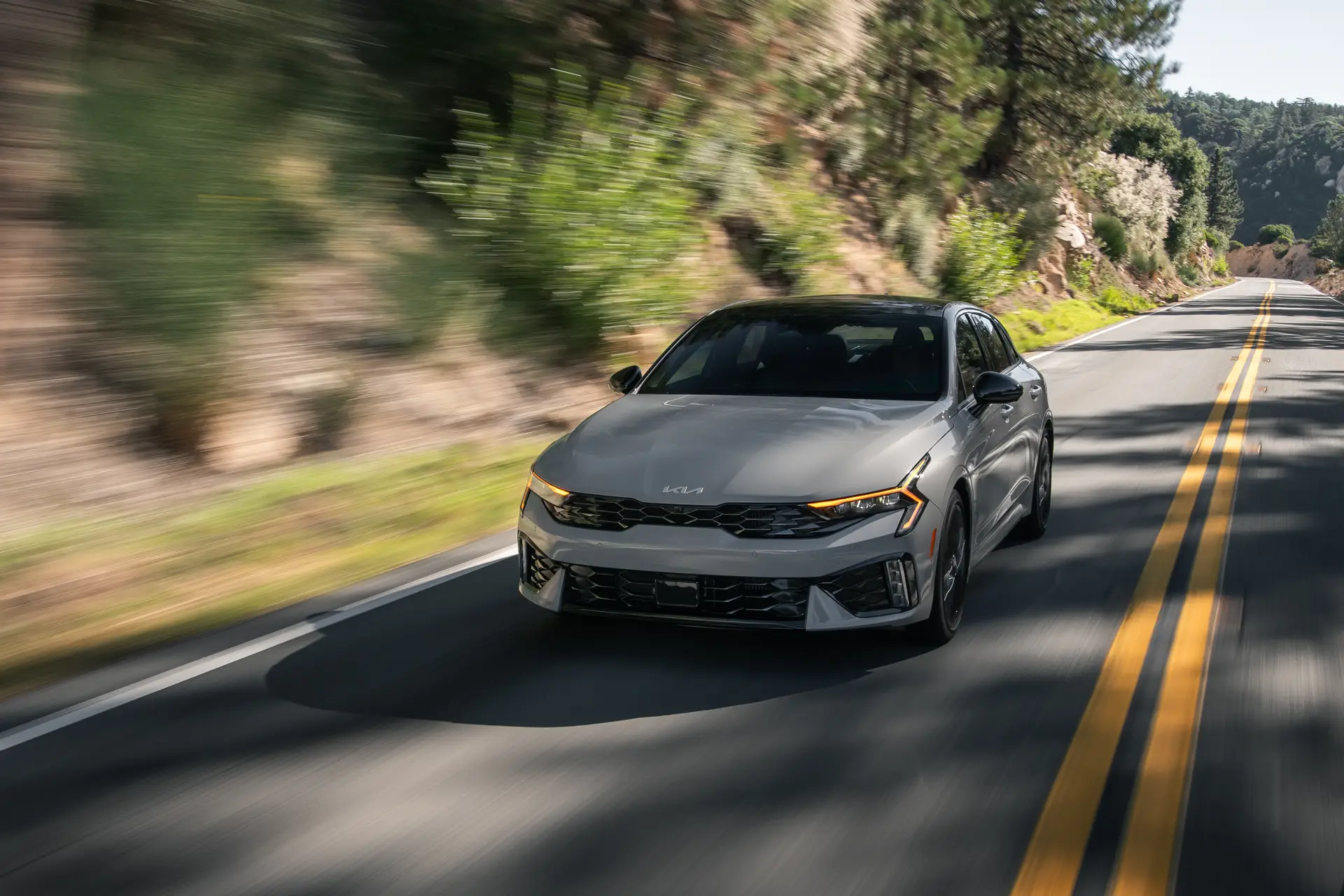
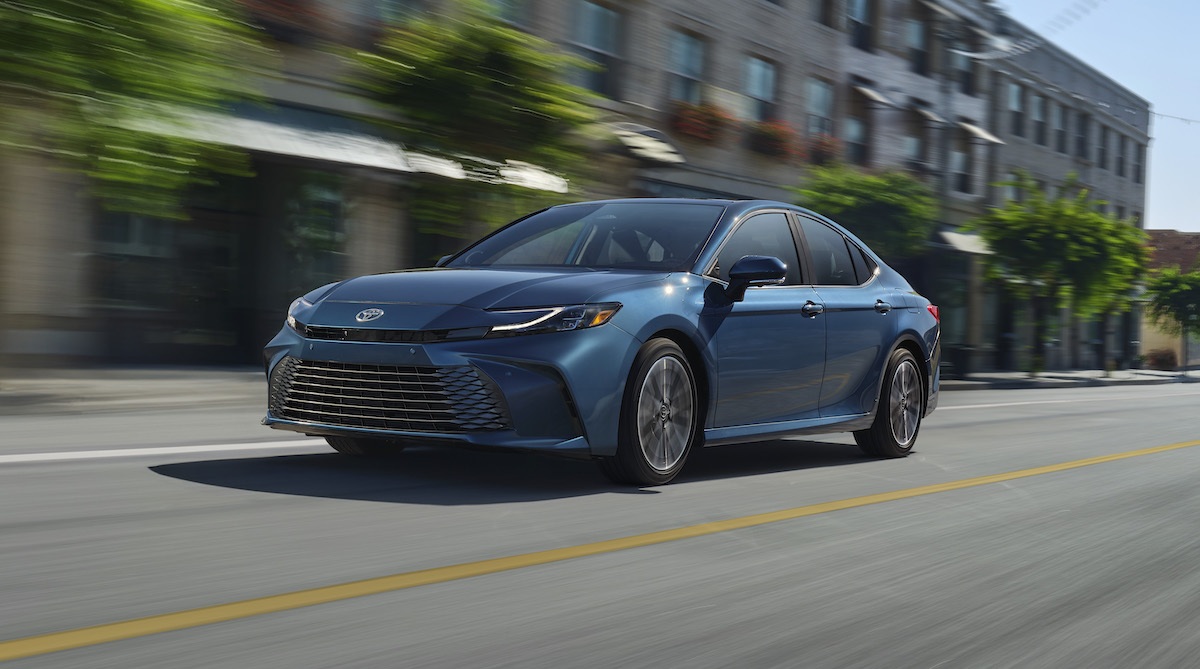
Honda Accord (up 22%), Kia K5 (up 19%) and Toyota Camry (up 11%)
With new car prices picking up once again (nearly touching $51,000 at time of writing, according to Catalyst IQ/Automotive News’ tracker), midsize sedans offer some reprieve. That’s doubly true as gas prices continue to spike, rising well over $4 per gallon across most of the U.S. as of early April. Enter the Honda Accord, Toyota Camry and Kia K5, all of which picked up ground in the first quarter of 2026.
The Honda Accord is the biggest winner of the three, with its sales picking up 22% to 37,317 units. Even while the Civic (down 2.3%) and even the CR-V (down 3.8%) beat it in terms of outright volume, the Accord’s momentum is significant because Honda heavily emphasizes retail sales over fleets. So while some rental car companies, for instance, may be picking up some fresh inventory, the Accord is finding a fair amount of success with retail buyers.
Both the Toyota Camry and Honda Accord offer hybrid options, though it’s worth noting Honda reported its Accord sales as virtually flat from the first three months of 2025 (selling about 18,633 units in Q1 2025, and 18,624 in Q1 2026). Since the Camry is now exclusively a hybrid, all of its 78,255 sales (up 11.8%) offer folks up to or just above 50 mpg, which is useful given the current state of fuel prices.