On Friday, the Supreme Court decided 6-3 that President Donald Trump’s emergency tariffs against most countries were illegal.
Update 2/20/2026: President Trump announced he will enact a new 10% global tariff on all countries, for all imports under Section 122 of the 1974 Trade Act, a different federal law that limits such tariffs’ effect to 150 days. After that, the administration would need authorization from Congress to continue this new 10% global levy.
Throughout the past year, one of the most prominent elements of the current U.S. administration has been tariffs, ostensibly as an effort to redress the nation’s trade imbalance with its largest partners (and that is painting it with a massively broad brush, I know). Now, though, the Supreme Court ruled President Trump overstepped his authority by using emergency powers to unilaterally implement these tariffs, in a 6-3 decision. As part of the majority opinion, the six justices rejected the administration’s argument that it had authority under the 1977 International Emergency Economic Powers Act (IEEPA) to impose tariffs — levies that have dramatically swung in scale over the past year and impacted virtually every industry, including the automotive sector.
“When Congress grants the power to impose tariffs, it does so clearly and with careful constraints,” wrote Chief Justice John Roberts for the majority. “It did neither here. We claim no special competence in matters of economics or foreign affairs. We claim only, as we must, the limited role assigned to us by Article III of the Constitution. Fulfilling that role, we hold that the IEEPA does not authorize the president to impose tariffs.”
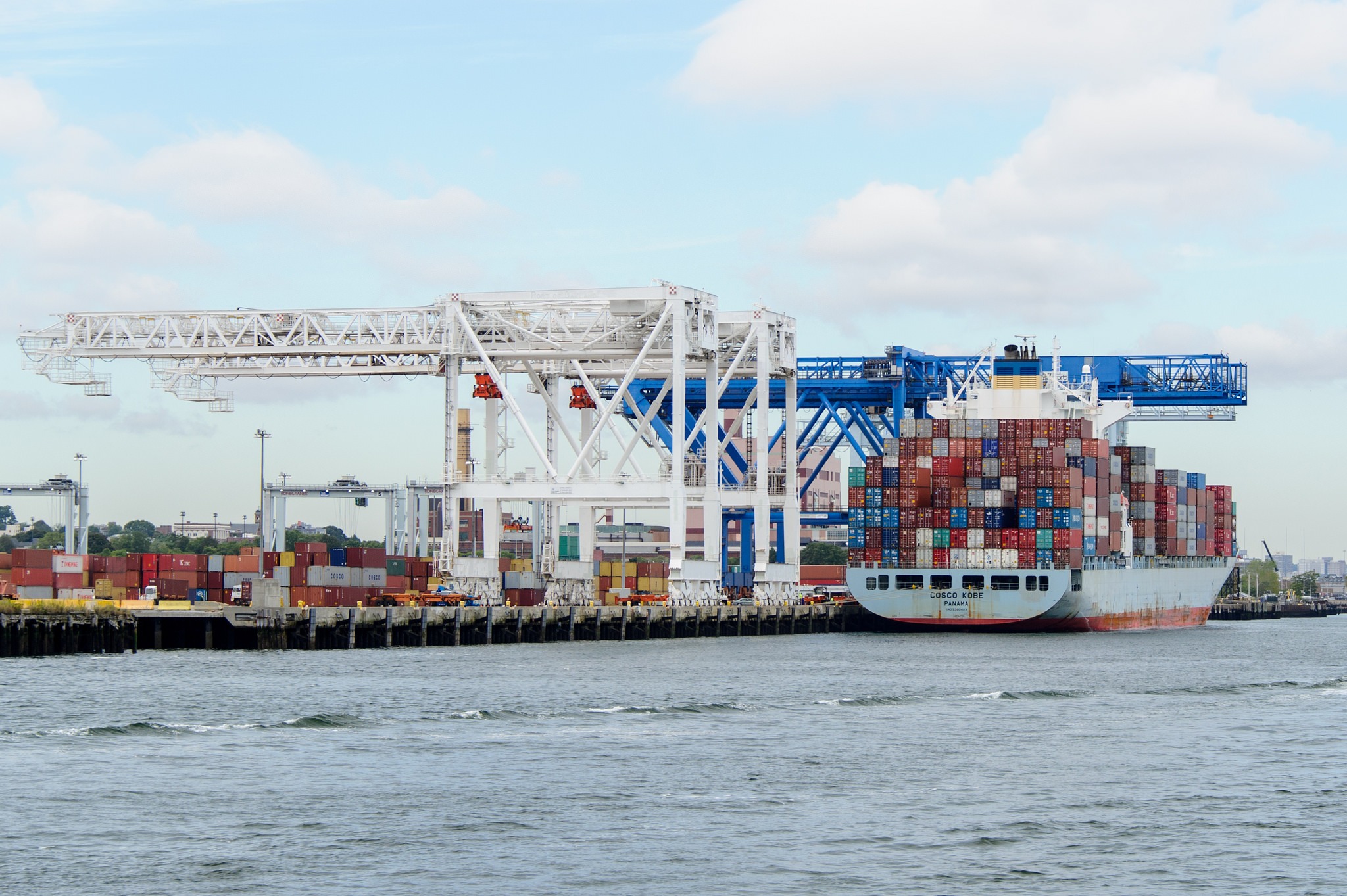
As of December 14, 2025, the U.S. government collected $134 billion in revenue from tariffs, according to Custom and Border Patrol data.
So…what happens to the money?
In his dissenting opinion, Justice Brett Kavanaugh noted the ruling said “nothing today about whether, and if so how, the government should go about returning the billions of dollars that it has collected from importers.”
“That process is likely to be a mess,” Kavanaugh wrote.
It’s not clear at this point how money will make its way back to importers, as that will likely be up to the lower courts to adjudicate. It’s even more confusing still, if and when companies do get their money back, how (or even if) it would return that money to consumers onto whom those same companies passed the cost of tariffs. A likely outcome: Companies may get a refund, but American customers who bore increased costs resulting tariffs on imported goods probably will not.
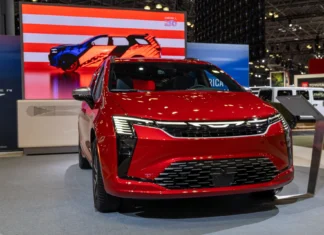
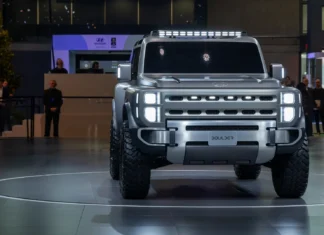
Car prices were a particularly striking example of Trump’s tariff policy at work. Automakers who import their vehicles to the U.S. from abroad (think Japanese and German firms, especially) raised prices by around $3,000 on average, according to a study reported by Automotive News. Vehicles imported from our northerly neighbors in Canada rose at an even steeper rate of about 10% — $3,991 on average — over the past seven months.
With the tariffs struck down by the court, we could see prices fall by thousands of dollars, though again, it’s unclear (and unlikely, depending on your outlook) that companies will reduce prices back down to 2024-era levels, during which average transaction prices (ATPs) were already hovering around the $50,000 mark.
This is still a breaking story, so some details are still in development and we’ll work to come back with further updates as they’re available.
Correction 2/20/2026: An earlier version of the article referred to the International Emergency Economic Powers Act being enacted in 1970. The law went into effect in 1977. Apologies for the error.