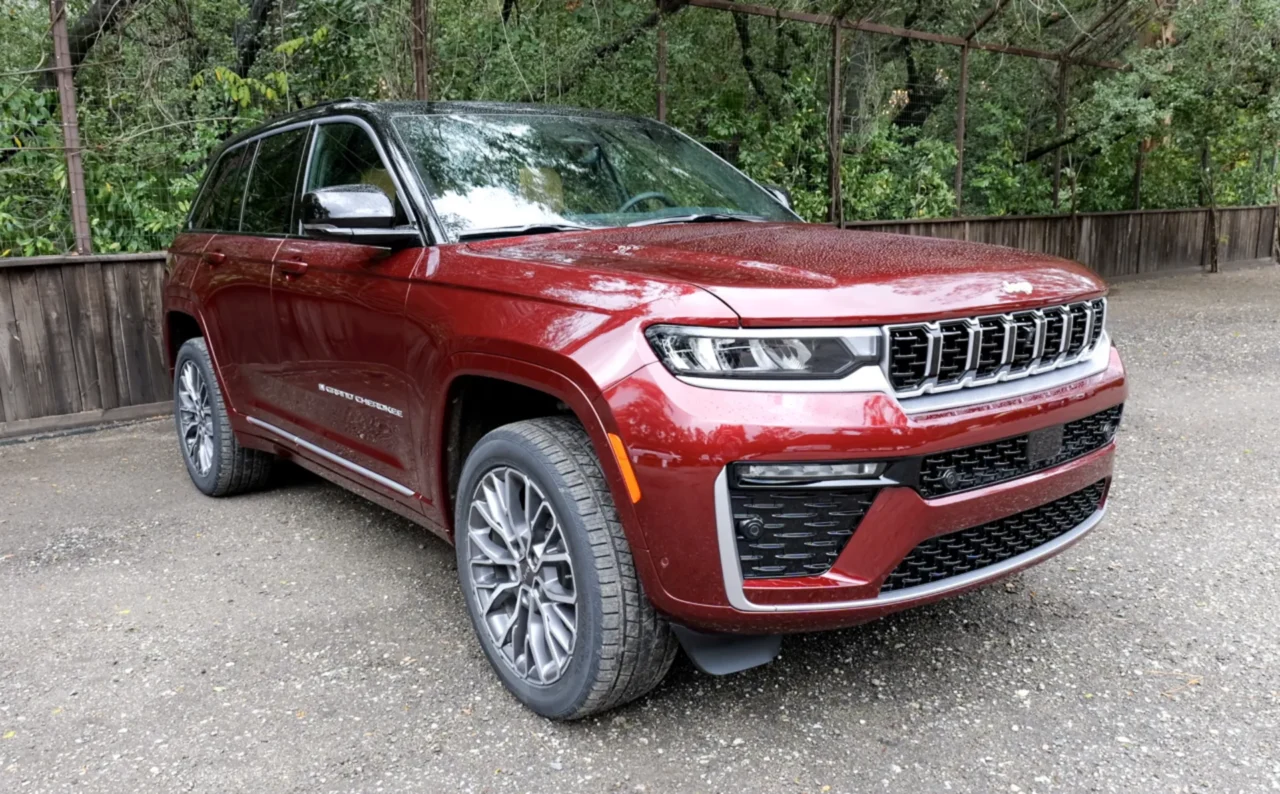
The Jeep Grand Cherokee has a surprisingly big (and also small) change: a 2.0-liter engine.
2.0-liter engines are extremely common across the smaller car segments, but not in vehicles as large as a 2026 Jeep Grand Cherokee. There is no shortage of motorcycles on the market with larger displacement engines than that. With up to three rows of seating, 6,200 pounds of towing capacity and a long history of V8s in past Grand Cherokees, the new engine has a lot of work to do. So what are the numbers?
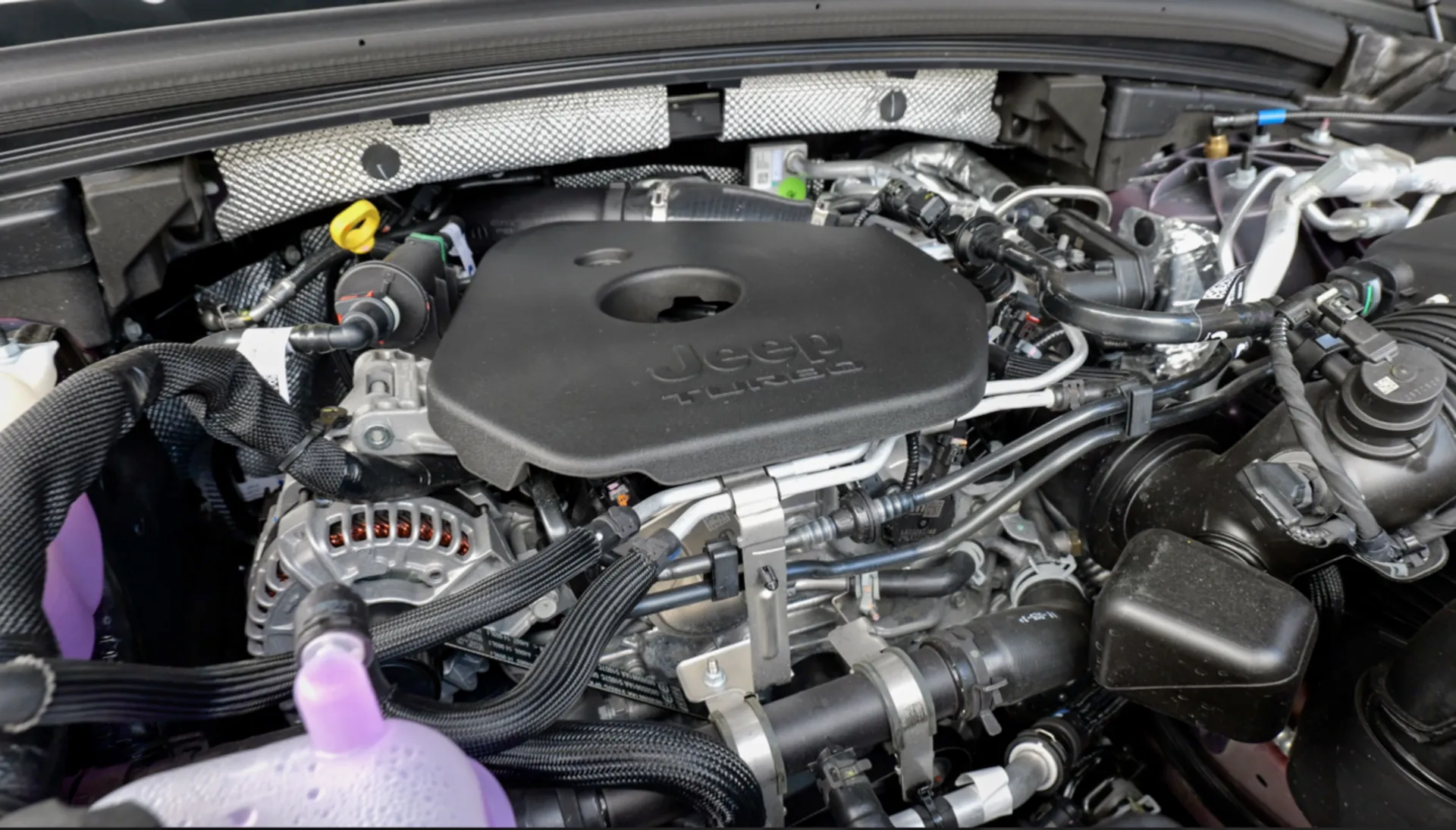
Jeep’s new Hurricane four-pot, not to be confused with the Hurricane straight-six, has 324 horsepower. The new powertrain puts out a respectable 332 lb-ft of torque too. That’s 31 horsepower and 72 lb-ft of torque more than the ancient Pentastar V6. For that reason, the old V6 remains as the base engine option for 2026. Fancier Grand Cherokees use the more powerful 2.0-liter powerplant.
Over 300 horsepower from a 2.0 liter turbo is an impressive figure. One of the tools used to achieve that power figure is a new feature called “Turbulent Jet Ignition.” Cool name, but what does it mean? In summary, the engine has a pre-combustion chamber. Formula 1 has used similar tech, as does the Maserati MC20. Not bad company for a regular, everyday commuter car. The pre-combustion chamber mixes fuel and air, and a spark plug ignites the mixture before entering the cylinder. Jeep describes the effect as a “blow torch” during the power stroke. The end result is a more effective burn.
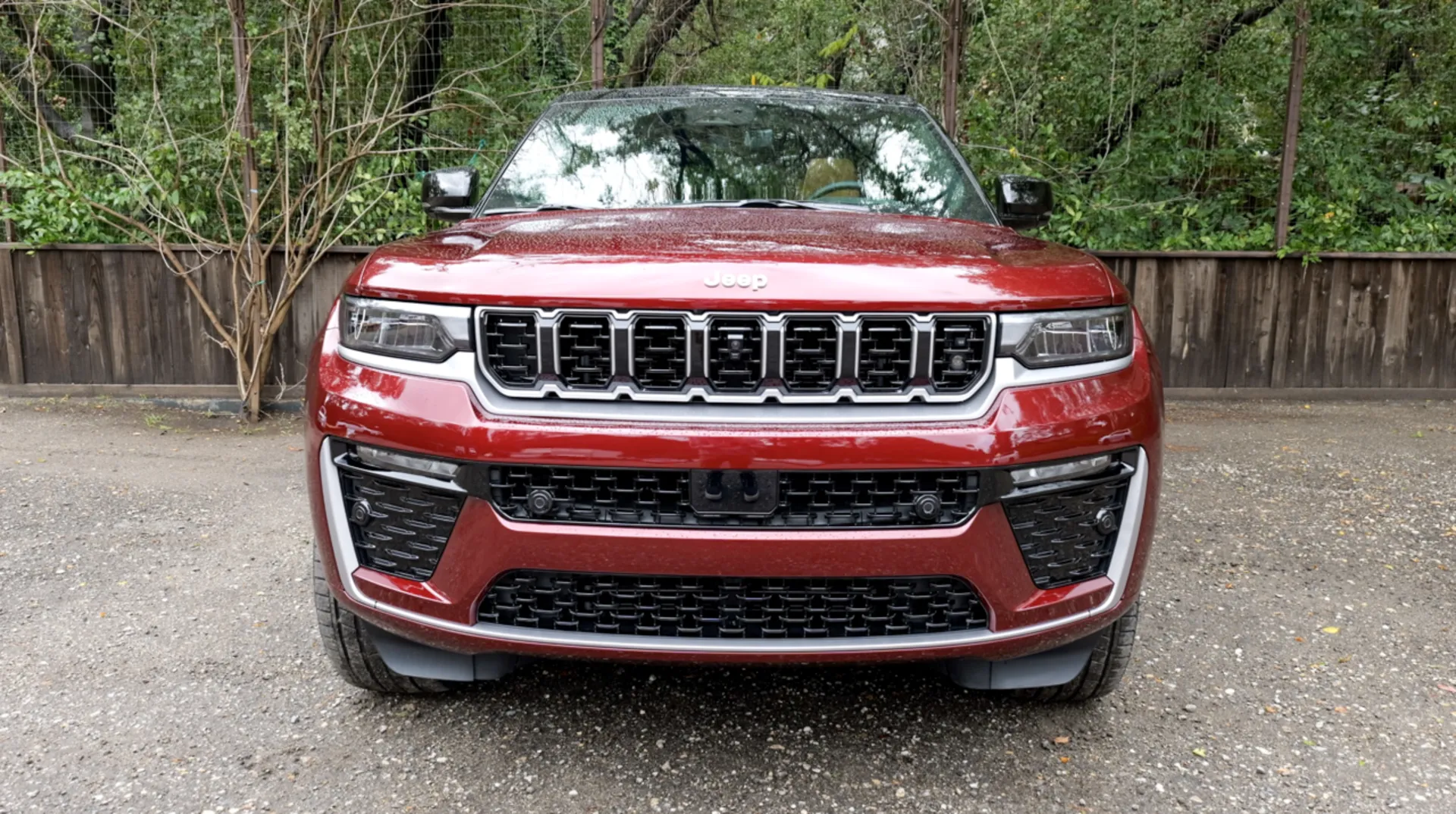
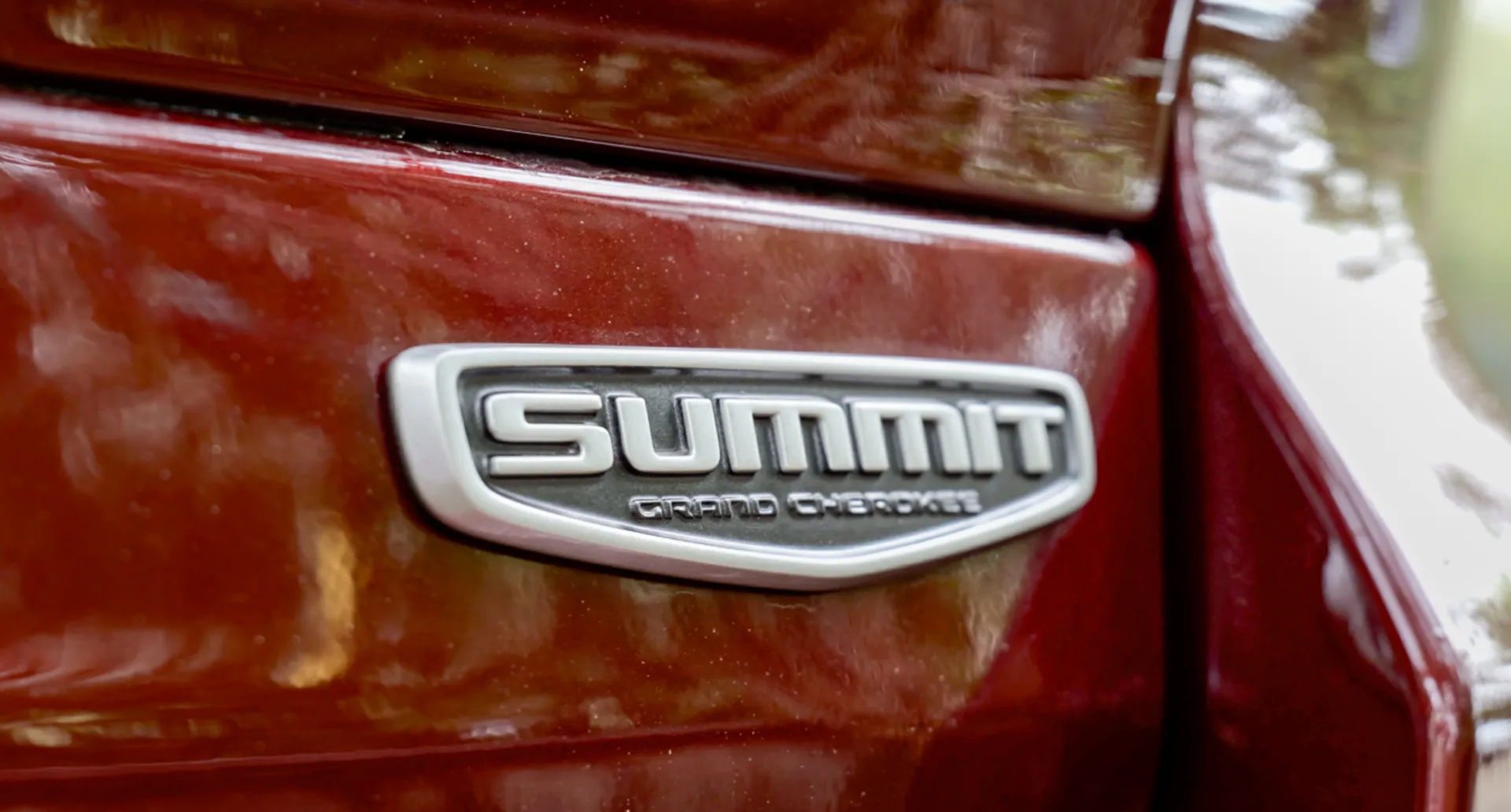
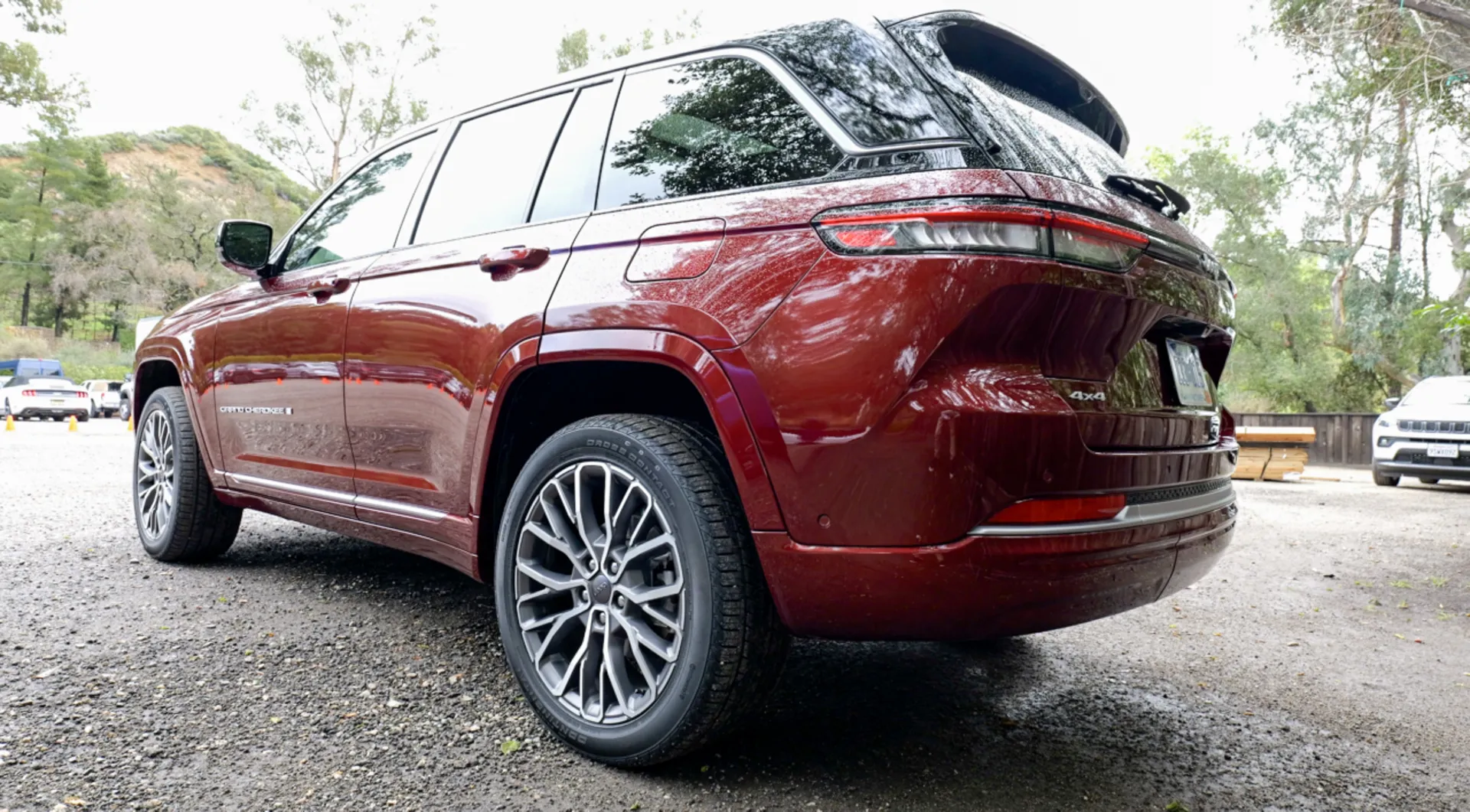
Impressive on paper, but what about the pavement?
Hitting the road with the new 2.0-liter Grand Cherokee feels normal. Thanks to a variable geometry turbo, it doesn’t have too much lag like heavily boosted small engines of the past. Low end torque on the 2.0 liter feels far superior to the old V6, which is what you want in an SUV. Toggle on sport mode, and the steering gets significantly heavier with no major benefit to steering feel. The heavily optioned Summit trim Grand Cherokee I drove also used its McIntosh stereo to amplify the sound of the engine in sport mode. In fact, I could feel my pants fluttering against the door speaker under heavy acceleration. Even so, the noise isn’t great. As impressive as the power dense 4-cylinder is, it still sounds like a four-pot.
Both Pentastar and Hurricane powered Jeep Grand Cherokee models use an 8-speed auto. More basic models are available with 2-wheel-drive. Adding 4-wheel-drive brings the MSRP up $2,000 from a base price of $40,410 including destination. Going from 2 rows to 3 is another $2,000. The top level Summit I tested costs over $66,000.
Not too hard, not too soft, the Grand Cherokee is just right.
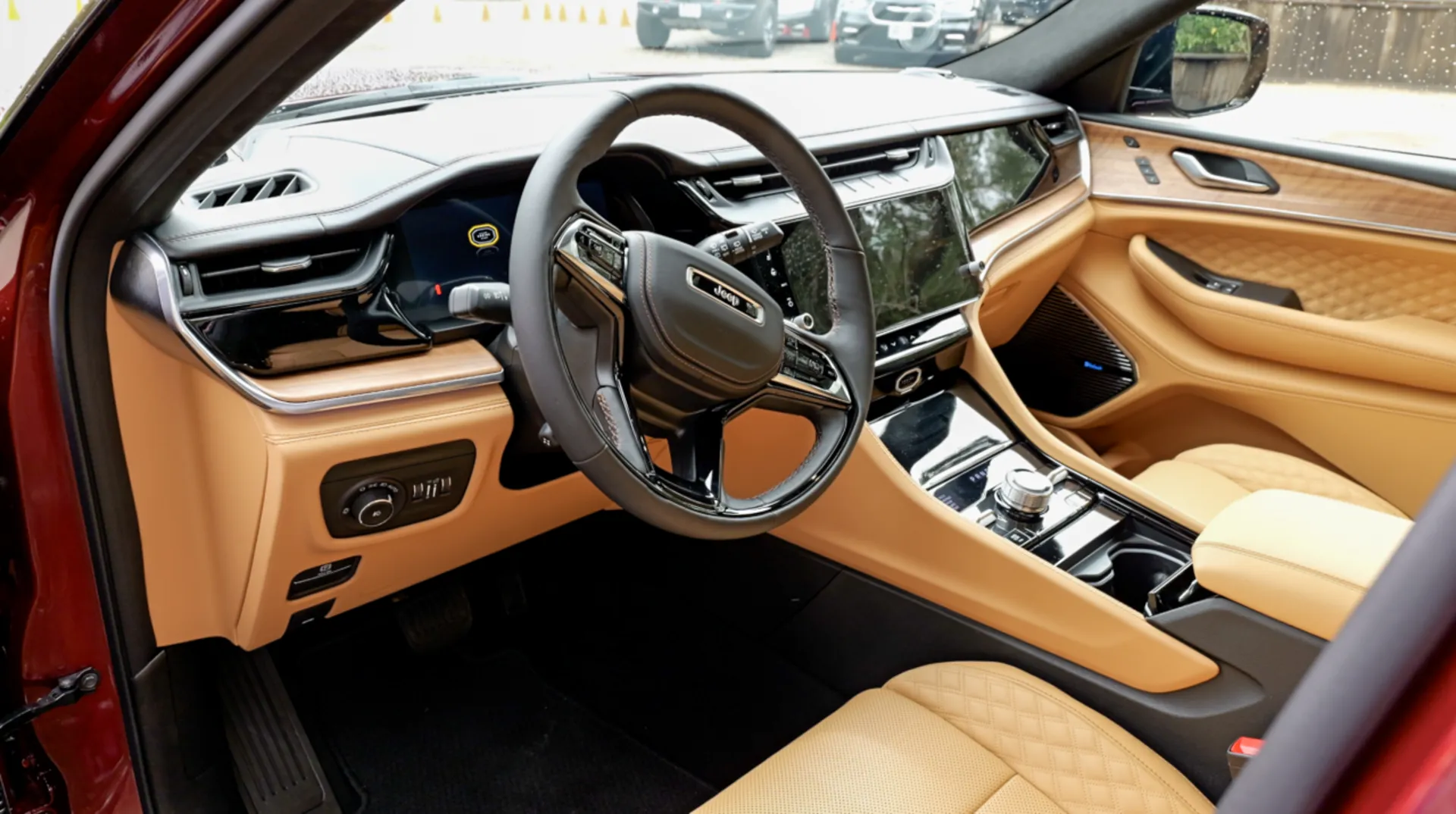
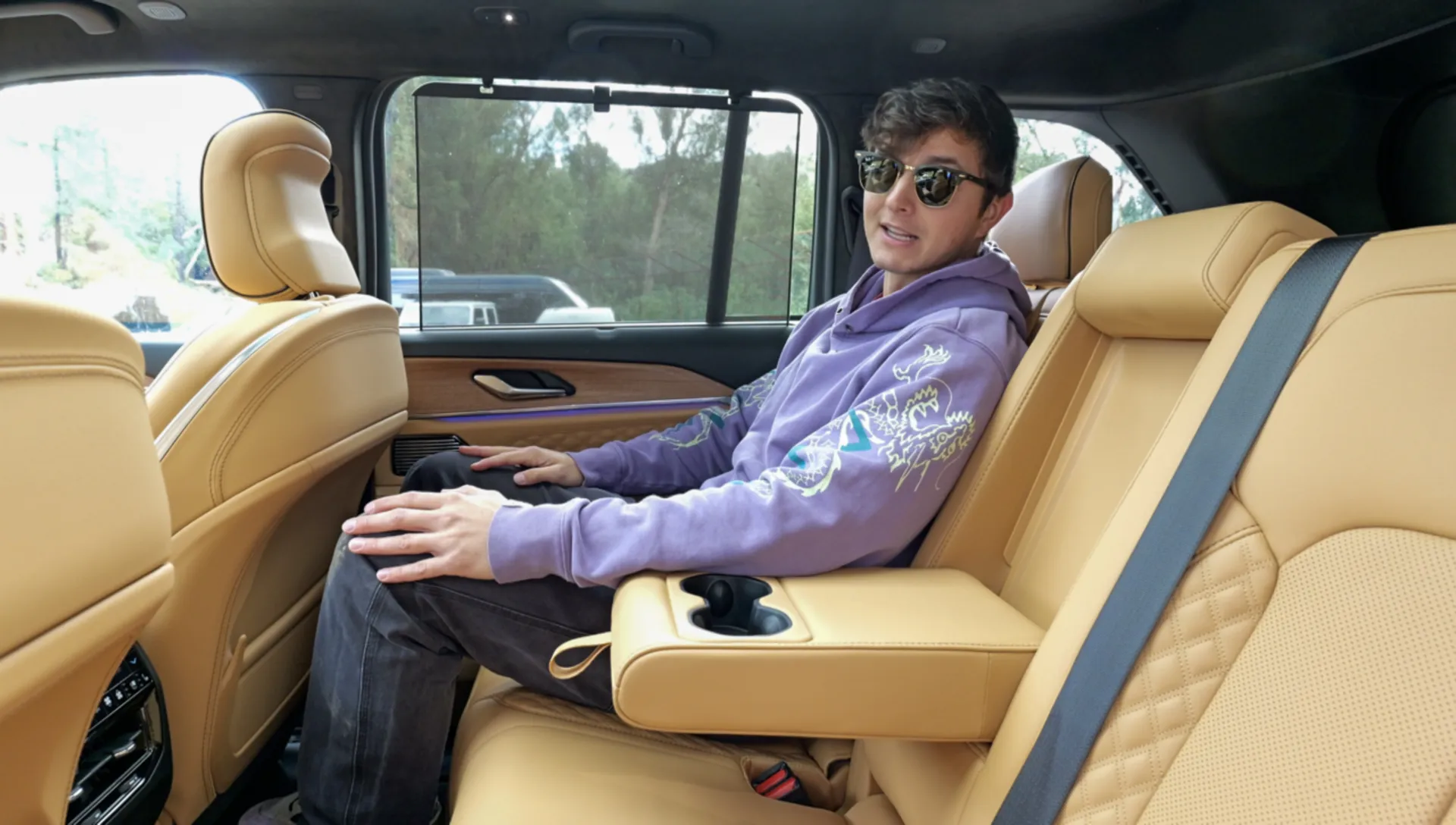
Wranglers put all-out capability above everything, and the Grand Wagoneer is too over-the-top for some folks. The Grand Cherokee sits right between them with the right level of comfort for most buyers. The Summit we tested had a fantastic Tupelo Tan interior that may polarize some folks but surely left an impression. Rear seat passengers on high trim models even get their own climate zone plus heated and cooled rear seats to match the front. Adjustable air suspension gives top of the line Grand Cherokees a ride quality to match its interior comfort.
Aside from the updated engine, new Grand Cherokee models have a mildly refreshed face, and a standard 12.3″ center screen. To see more of these changes in detail, check out the video linked below!